Iron supplements are very important for maintaining good health. Especially for individuals who are not getting enough iron from their regular diet. If we talk about Nepal, then dietary habits and nutrition levels vary widely. Similarly, understanding the importance of iron supplements can help people make informed choices about their health.
Why Are Iron Supplements Important?
Iron plays an important role in the body by producing hemoglobin. Protein in red blood cells that carries oxygen. Lack of iron can lead to iron deficiency anemia, causing fatigue, weakness, and also other health problems. The iron supplement provides a convenient solution to maintain healthy iron levels.
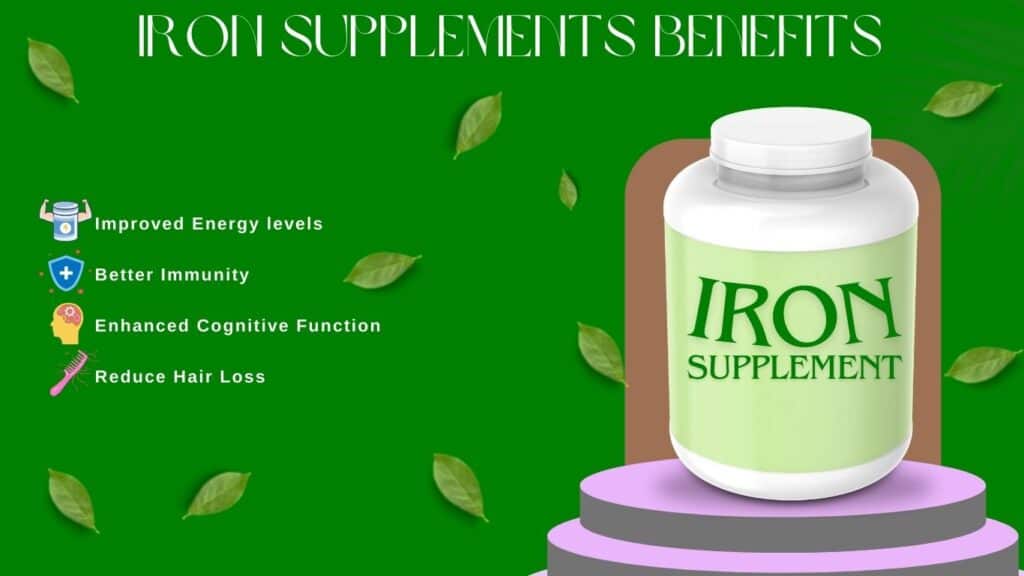
Benefits of Iron Supplements
There are several benefits of taking the iron supplement including:
Improved Energy Levels: It helps to combat fatigue by boosting oxygen delivery throughout the body.
Better Immunity: Adequate iron levels support the immune system, helping the body fight infections.
Enhanced Cognitive Function: Iron is crucial for brain health, improving focus and memory.
Reduced Hair Loss: One of the lesser-known benefits is their role in preventing hair thinning and hair loss.
Foods That Pair Well with Iron Supplements
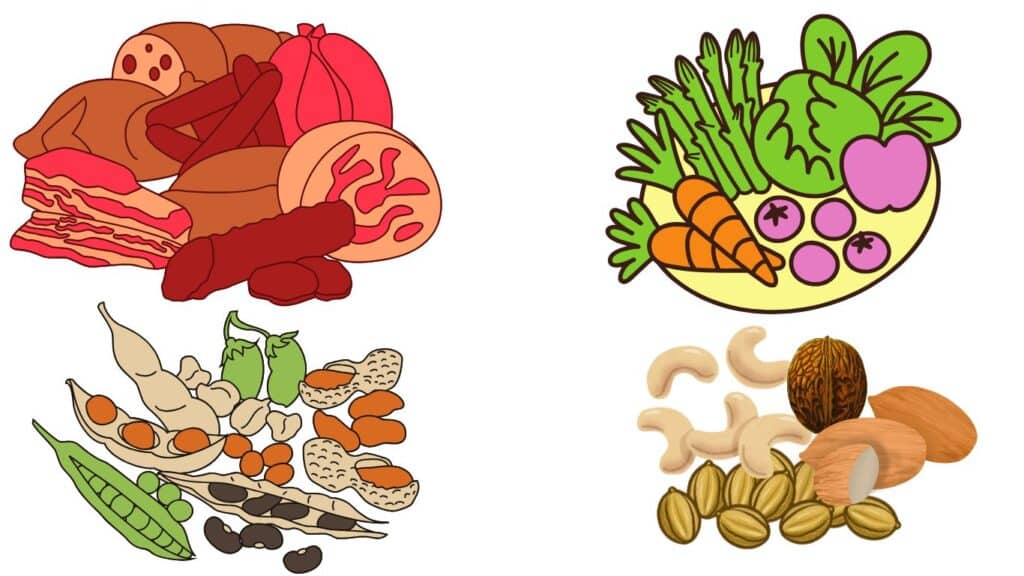
Combining the iron supplement with iron-rich foods is very beneficial and amplifies their effects. Some iron-rich food sources are:
Meat and Poultry: Chicken, beef, and liver are excellent sources of iron, which is easily absorbed by the body.
Leafy Greens: Spinach, kale, and broccoli are also rich in iron.
Legumes: Lentils, beans, and chickpeas are great options for vegetarians.
Nuts and Seeds: Almonds, sunflower seeds, and pumpkin seeds provide a healthy iron boost.
Pro Tip: Pair iron-rich foods with vitamin C sources like citrus fruits or tomatoes to enhance iron absorption.
Iron Supplements During Pregnancy
The body’s demand for iron increases during pregnancy. Pregnant women need more iron to support their growing baby and also to get prepared for blood loss during delivery. During pregnancy, iron supplements are often recommended by doctors to prevent anemia and support fetal development.
Why Pregnant Women Need Iron Supplements
To prevent complications like preterm delivery or low birth weight.
For reducing the risk of anemia, which can cause fatigue and weakness.
To ensure proper oxygen delivery to the baby.
Tips for Taking Iron Supplements During Pregnancy
Take supplements with a glass of orange juice to boost absorption.
Avoid consuming them with coffee or tea, as these beverages can interfere with iron absorption.
Stick to the dosage recommended by your doctor to avoid side effects like constipation or nausea.
Iron Supplements and Hair Loss
Hair loss is one of the most distressing problems for many people. Iron deficiency is one of the common reasons for hair loss. Likewise, the iron supplement for hair loss works by restoring iron levels in the body improving hair growth and reducing shedding.
How Iron Supports Hair Health
Iron boosts oxygen delivery to hair follicles, stimulating growth.
It strengthens hair strands, making them less prone to breakage.
Note: Always consult a healthcare provider before starting iron supplements for hair loss to ensure that iron deficiency is the root cause.
Recommended Dosage of Iron Supplements
Consuming the right dosage of the iron supplement is very important. Right dosage benefits without experiencing side effects. Here is a generally used dosage:
Men: 8 mg per day
Women (19-50 years): 18 mg per day
Pregnant Women: 27 mg per day
Children (4-8 years): 10 mg per day
Tips for Safe Consumption
Always follow your doctor’s advice for the correct dosage.
Start with a low dose and gradually increase if needed to minimize side effects.
Consume on an empty stomach for better absorption, but if they upset your stomach, have them with a small meal.
Choosing the Right Iron Supplement in Nepal
There are a variety of iron supplements in the Nepali market including tablets, capsules, and liquid forms. You can buy Iron supplements at our store at the best price in Nepal. While selecting a supplement, consider these points:
Type of Iron: Look for ferrous sulfate, ferrous gluconate, or ferrous fumarate as they are commonly recommended.
Trusted Brands: Opt for well-known brands with good reviews.
Doctor’s Recommendation: Always consult a healthcare professional to choose the best option for your needs.
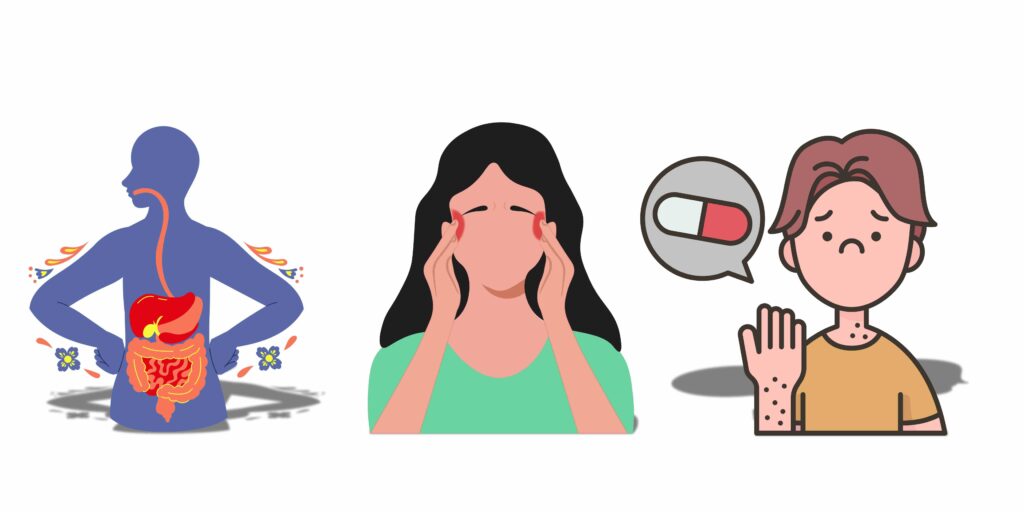
Iron is generally safe but some people may experience side effects like:
Constipation: Stay hydrated and also include fiber-rich foods in your diet.
Nausea: Take with food if it causes an upset stomach.
Dark Stools: This is a common and also harmless side effect.
Additionally, consult with your doctor about adjusting the dosage or switching to a different type of iron supplement if side effects persist.
Frequently Asked Questions (FAQs):
What are the benefits of taking iron supplements?
Iron supplements help boost your red blood cells, improving energy and preventing anemia.
Which are the best iron supplements available in Nepal?
Some popular iron supplements in Nepal are Ferrous Sulfate, Ferrochel, and Neutrophil Iron.
Can I take iron supplements during pregnancy?
Yes, it is safe during pregnancy and can also help prevent iron deficiency.
What is the recommended dosage of iron supplements for adults?
The recommended dosage for adults is usually 18mg per day, but it can vary from person to person based on needs.
Do iron supplements help reduce hair loss?
Yes, iron supplements can help reduce hair loss if it is caused by iron deficiency.
Conclusion
In conclusion, iron supplements are a simple but effective way to address iron deficiency and improve overall health. If you are looking to boost your energy, support healthy pregnancy, or tackle hair loss then choosing the right iron supplement can make the difference.
In Nepal, where dietary habits may fall short of meeting nutritional needs, iron supplements can serve as a reliable option. Combining them with a balanced diet and following the recommended dosage you can maintain optimal iron levels and enjoy better health.
So, if you are considering an iron supplement then this is the right time to take action. Also, consult a doctor and select a high-quality supplement. Experience the benefits of improved energy, better immunity, and overall well-being.
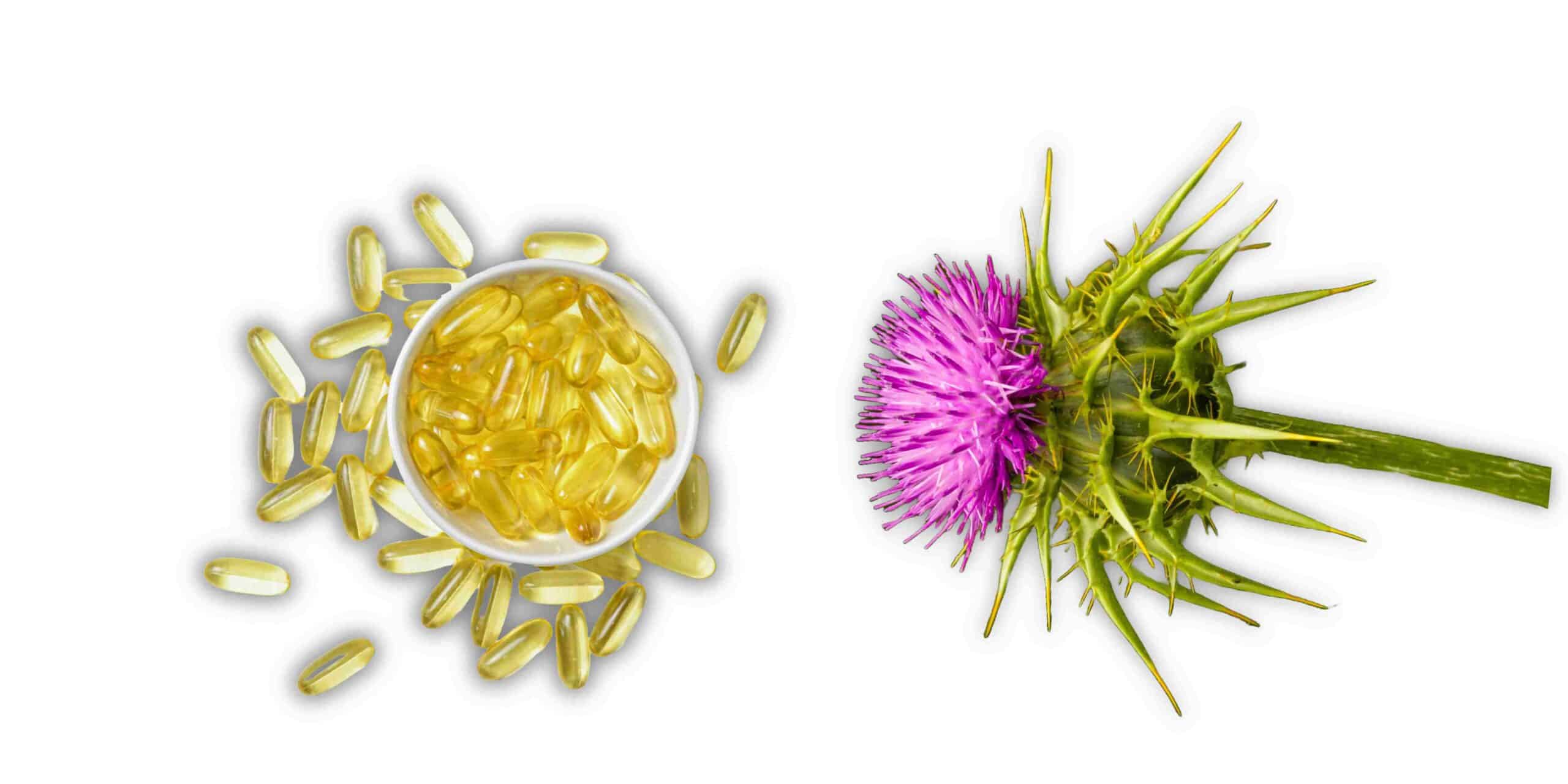
If you are in the search for a natural supplement to support your liver health then you have come to the right place. Silymarin tablet supplement might be the supplement that you need. Silymarin is an extract from the milk thistle plant and contains powerful antioxidants. People have used it for centuries in traditional medicine. If we talk in the context of Nepal then many people nowadays are becoming aware of the importance of liver health. That is why the silymarin tablet supplement is gaining popularity in Nepal.
In this blog, we will explore the benefits of silymarin, its uses, dosage, possible side effects, and more.
What is Silymarin?
Silymarin is a powerful antioxidant that is found in the seeds of milk thistle plants. Additionally, its liver-protecting properties are widely known, and the supplement form is commonly used to improve liver function. People across the world including Nepal are using silymarin tablet supplements for better overall health.
Silymarin Benefits: Why You Should Consider It
There are several silymarin benefits. That is why it has become such a popular supplement. Here are some of the key benefits of taking silymarin tablets.
1. Supports Liver Health
Silymarin is commonly known for its liver health benefits. It helps to protect our liver from toxins and promotes its ability to regenerate healthy cells. It is very beneficial for people who have been exposed to alcohol, drugs as well as environmental pollution.
2. Rich in Antioxidants
As we discussed earlier silymarin has powerful antioxidant properties. These antioxidants help combat free radicals, which can damage your cells and lead to chronic diseases. Silymarin promotes better health and well-being by neutralizing these free radicals.
Silymarin has powerful antioxidant properties. These antioxidants help combat free radicals, which can damage your cells and lead to chronic diseases. By neutralizing these free radicals, silymarin promotes better health and well-being.
3. Supports Detoxification
As we know the liver is the human body’s natural detoxifier, and silymarin helps to boost its performance more effectively. Regular use of silymarin tablets can assist in flushing out harmful toxins ensuring that the body stays clean and healthy.
4. Helps Reduce Inflammation
Inflammation is often the root cause of many health problems. Silymarin is also known for its anti-inflammatory effects, which can help to reduce inflammation in the liver and other parts of the body.
5. May Improve Skin Health
Some studies have found that silymarin can help improve skin health. Its antioxidant properties may reduce the appearance of wrinkles and protect the skin from damage that is caused by free radicals.
Silymarin Uses: How Can You Benefit from It?
You may be wondering how silymarin can be used beyond liver health. Here are some of the most common uses:
For Liver Protection: As mentioned, the main use of silymarin is to protect the liver. It can be beneficial for people with fatty liver, hepatitis, or cirrhosis.
As an Antioxidant Supplement: People often take silymarin to support their immune system and fight oxidative stress.
To Support Digestive Health: Studies show that silymarin supports bile production, which aids in digestion and provides digestive benefits.
For Skin Health: It is a natural way to improve your skin. It may help by reducing inflammation and promoting cell generation.
When taking any supplements including silymarin tablets, it is important to follow the recommended dosage for optimal results. The typical silymarin dosage for adults is around 140-420 mg per day. People often divide it into two or three dosages throughout the day.
However, the exact dosage may vary from person to person depending on their health needs. It is always a better idea to consult with a healthcare provider before starting any supplement.
Silymarin Side Effects: What to Watch Out For
Silymarin is generally safe but it can cause mild side effects in some people. Side effects may include:
Digestive Issues: Some people may experience mild digestive discomfort, including bloating, diarrhea, or nausea.
Headaches: A few individuals have reported headaches after taking silymarin tablets.
Allergic Reactions: In rare cases, people may have allergic reactions to silymarin, such as itching or rashes.
It is very important to monitor how your body reacts and adjust the dosage. You should avoid silymarin if you have a known allergy to ragweed, daisies, or other plants in the Asteraceae family because it may cause an allergic reaction.
Silymarin for Liver
If you are specifically interested in silymarin for liver health then you will be pleased to know that this supplement has been shown to support liver function in different ways. Regular use of silymarin tablet supplements can:
Protect liver cells from damage due to alcohol, medications, or toxins.
Help manage liver diseases like fatty liver disease and hepatitis.
Support the regeneration of liver cells, promoting overall liver health.
Additionally, silymarin is a natural and effective way to keep your liver healthy. Especially if you are concerned about liver damage or want to improve liver function.
Frequently Asked Questions (FAQs):
Can silymarin tablets help with fatty liver disease?
Yes, silymarin tablets are commonly used to help manage fatty liver disease. It supports liver function and may help reduce the buildup of fat in the liver.
How long does it take for silymarin to work?
The effects of silymarin may vary depending on the individual and the condition being treated. For liver health, you may start seeing improvements after a few weeks of consistent use.
Can I take silymarin with other medications?
It is always best to consult with a healthcare professional before combining silymarin tablets with other medications to ensure there are no interactions.
Are there any age restrictions for taking silymarin?
Adults generally find silymarin safe, but doctors do not recommend it for children without prior consultation. Always consult with a healthcare provider before starting a supplement.
Is silymarin available in Nepal?
Yes, silymarin tablets are available in pharmacies and online stores in Nepal including Vitamin Nepal. It is always important to buy from trusted sources to ensure quality.
Conclusion
In conclusion, incorporating silymarin tablets into your daily routine can have a positive impact on your liver health, digestion, and overall health. So, this natural supplement is a great option if you are looking for silymarin benefits for liver detox, or simply want to improve antioxidant intake.
Additionally, always remember to follow the proper silymarin dosage and consult a healthcare provider if you have any concerns. For those in Nepal, it is easier than ever to access silymarin supplements online atVitamin Nepal or your local pharmacy.
Stay healthy, and take care of your liver with the power of silymarin tablets!
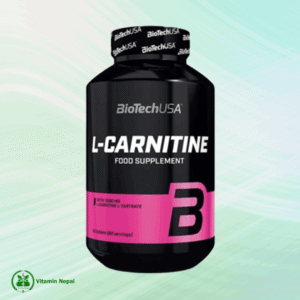
L-carnitine is a buzzword in the health and fitness world. And it is for a good reason. This nutrient-like compound is known for its benefits like boosting energy, weight loss, and improving overall health. Similarly, this supplement benefits those looking to boost energy or lose weight. If you are in Nepal and curious to know about L-carnitine then you have come to the right place. In this blog, we will cover everything you need to know about this supplement: its price in Nepal, benefits, and more.
What Is L-Carnitine?
L-carnitine is a compound that is naturally made by the human body. It helps fat turn into energy. So, that is why it is a popular supplement for weight loss and fitness circles. Sometimes your body may not produce enough of it. And that is when you need these supplements. Likewise, it is beneficial for you if you are an athlete, a fitness enthusiast, or those who are trying to stay healthy.
Benefits
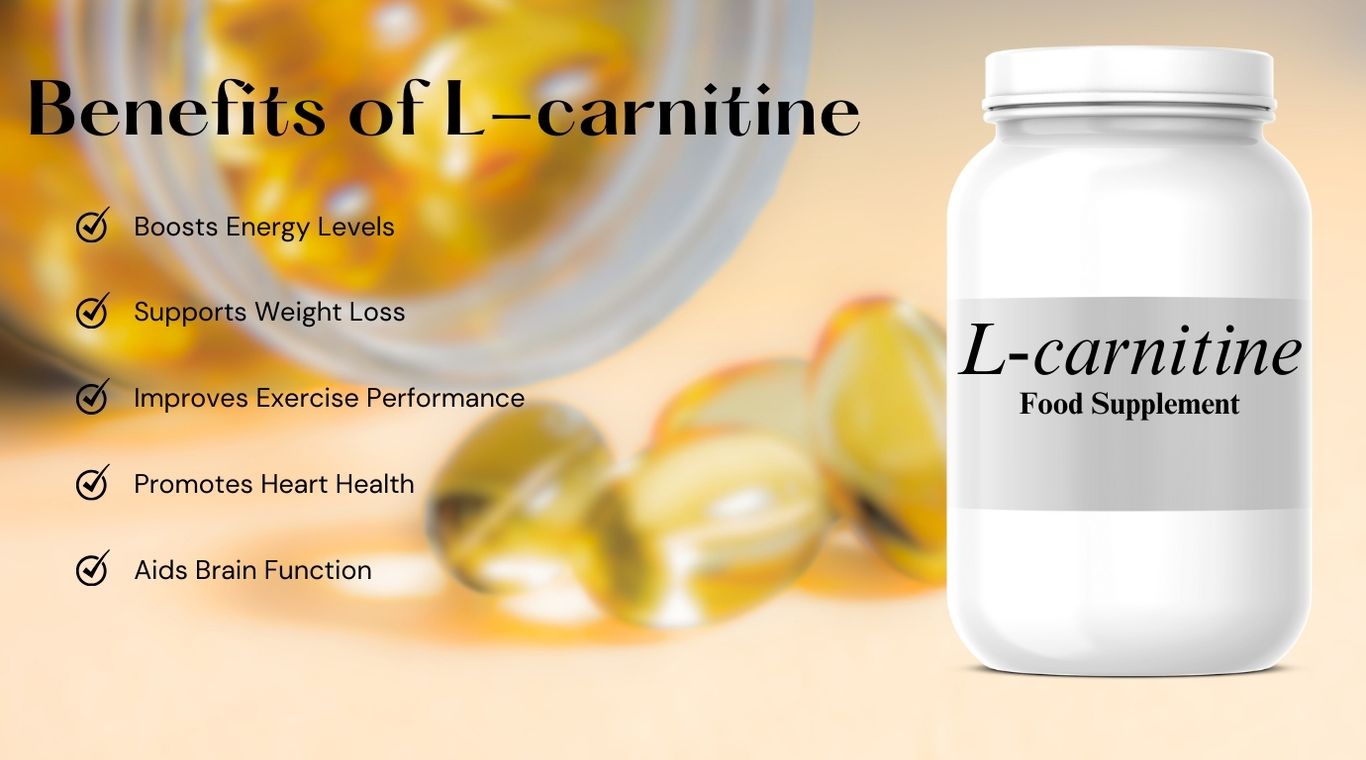
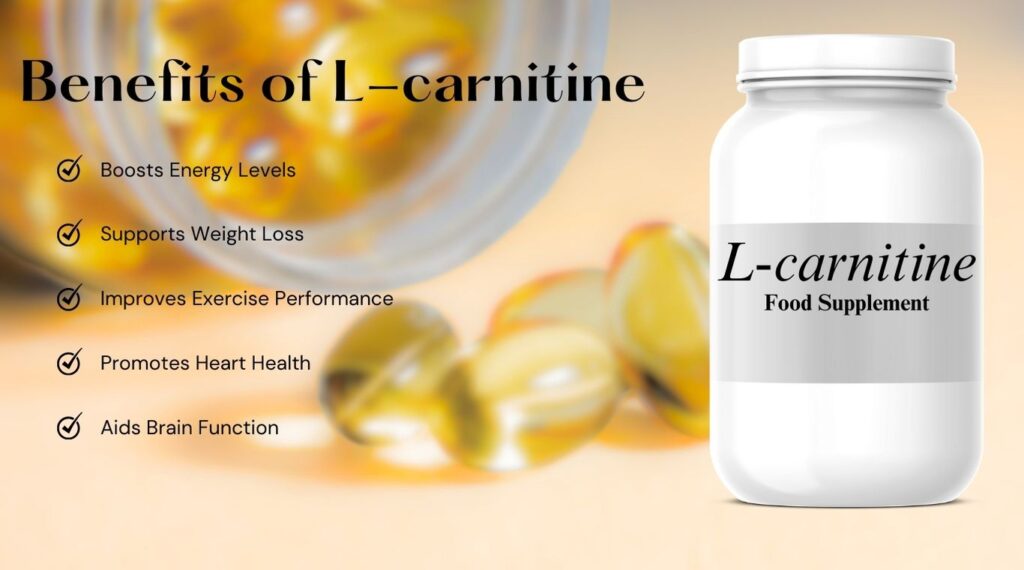
L-carnitine offers various health benefits. Those benefits make this supplement a must-have for many people. Here are some benefits of this supplement:
Boosts Energy Levels: It helps your body burn fat for fuel, giving you more energy to power through your day.
Supports Weight Loss: This helps break down stored fat, making it easier to lose those extra fats.
Improves Exercise Performance: It reduces muscle soreness and fatigue, helping you work out longer and recover faster.
Promotes Heart Health: It keeps your heart healthy by improving blood flow and also reducing bad cholesterol.
Aids Brain Function: Some studies found that it might improve focus and memory, making it good for your brain.
Uses
People take L-carnitine for different reasons. Some common uses are:
Weight Loss: It is a popular supplement among those people looking for weight loss naturally.
Energy: Athletes often take it to boost stamina and endurance.
Heart Health: Many people use it to manage their heart conditions or improve cardiovascular health.
Brain Support: Older adults sometimes use it to enhance their memory and cognitive functions.
Recovery: It helps to reduce muscle damage after workouts and speeds up recovery.
Types
L-carnitine supplements come in two different forms. They are:
Tablets: Tablets are easy to carry and take. They are perfect if you prefer a convenient, no-mess option.
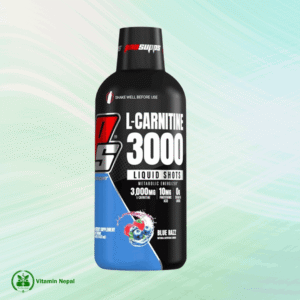
Liquid: Liquid supplements are quickly absorbed by the body, making them a fast-acting option.
You can choose one that fits your lifestyle and preferences.
L-carnitine is generally safe but It may cause minor side effects for some people. A few are listed below to watch out:
Nausea or stomach upset
Diarrhea
Body odor
Rarely, headaches or dizziness
To stay safe from those side effects always consume the recommended dosage and also consult with a doctor if you are not sure.
How to Use L-carnitine
Using it is so simple, but the dosage depends on your goals. Here is a quick guide for purpose:
Weight Loss: Take 2-3 grams daily before workouts.
Energy: A smaller dose of 1-2 grams daily works well.
General Health: Stick to 1 gram/ day, ideally in the morning or with a meal.
Always read the label and follow the instructions on your specific product.
L-Carnitine Supplements Price in Nepal
The price of L-carnitine in Nepal varies depending on the brands, forms, and dosage. Similarly, the tablet form price falls between NPR 1,500 to NPR 4,000 for a bottle and the Liquid form price falls between NPR 2,000 to NPR 5,000 for a bottle.
You can easily find these supplements at local health stores and gyms. If you are looking to buy online then you can look at online platforms including Vitamin Nepal. Additionally, we at Vitamin Nepal always ensure that you are buying from a trusted source and supplements of trusted brands to avoid fake products.
Conclusion
In conclusion, L-carnitine is a very beneficial supplement for those in Nepal looking to boost energy, lose weight, or improve overall health. Likewise, this supplement is becoming more popular in Nepal among athletes, fitness enthusiasts, and those who are trying to stay healthy.
Always remember, that while supplements can help, they will work best with a balanced diet and regular exercise. So, give your body the care it deserves and make the most of what this supplement has to offer.
If you are looking to improve your skin, boost your immune system, or fight off free radicals then you might need glutathione supplements. Glutathione is a powerful antioxidant that offers many health benefits. It has become popular in Nepal for its ability to enhance overall health.
What is Glutathione?
It is an antioxidant that occurs naturally in our body. It plays a very important role In neutralizing harmful free radicals, detoxifying the liver, and also for supporting the immune system. Additionally, it is also known for its skin-lightening properties. So, this is one of the reasons that it is widely used in skincare products in Nepal.
Glutathione is a composition of three amino acids that are glutamine, cysteine, and glycine. It helps to protect cells from oxidative stress, supports enzyme functions, and also maintains a healthy immune system. This powerful antioxidant comes in various forms in Nepal, including supplements, creams, and also injections.
Glutathione Uses: Why You Should Consider It
It has a wide range of uses and it is utilized in many forms for various purposes. Here are some common uses of it:
1. Detoxification and Liver Health
One of the primary functions of glutathione is detoxification. It binds with toxins and helps flush them out of the body, supporting liver function. Regular use can help to reduce the body’s toxins load. Therefore, it is an excellent choice for those individuals exposed to pollutants or those who want a healthy liver.
2. Skin Lightening and Anti-Aging
It is widely known for its ability to lighten skin and reduce pigmentation. It reduces melanin production, pigments responsible for dark spots, hyperpigmentation, and also uneven skin tone of our body. As a result, glutathione supplements and creams are used by many people in Nepal to achieve brighter skin.
3. Immune System Support
It strengthens our immune system by enhancing the function of immune cells. This helps our body fight infections and diseases by protecting against the cell damage that is caused by free radicals.
4. Improved Energy Levels
Most people use this supplement to boost energy levels. It plays an important role in cell function and metabolism. Glutathione supports mitochondrial function that directly impacts the energy production in cells.
Glutathione Benefits: How It Helps Your Health
The benefits of glutathione are numerous. Here are some advantages:
1. Reduces Oxidative Stress
Oxidative stress can contribute to various types of diseases and aging processes. Additionally, glutathione neutralizes free radicals and reduces the risk of conditions like heart disease, diabetes, and even cancer.
2. Improves Skin Health
Its ability to lighten skin, fade scars, and even out complexion has made it a popular ingredient for many skin products like creams, and soaps. It also repairs damaged skin cells. This ability makes it effective for acne scars, dark spots, and also for other skin problems.
3. Promotes Brain Health
Oxidative stress can damage our brain cells which leads to cognitive decline and conditions like Alzheimer’s. glutathione supplement helps prevent such damage and supports brain health.
4. Anti-Inflammatory Properties
Chronic inflammation is linked with many health problems like arthritis and cardiovascular disease. Likewise, its anti-inflammatory properties help to reduce inflammation and protect against these conditions.
Glutathione Products: Price and Availability in Nepal
Now you know all the benefits and uses of glutathione you might be wondering about its price in Nepal. Similarly, the cost of glutathione supplements varies depending on their form and brand. It is important to note that glutathione products are available across Nepal in different forms. You can also visit our online storeVitamin Nepal to buy glutathione supplements at the best price.
1. Glutathione Supplements
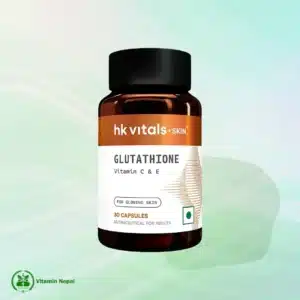
Glutathione supplements are available in different forms like tablets, capsules, and also in powder. In Nepal, the price of a bottle of glutathione capsules typically ranges from NPR 1,500 to NPR 3,500 depending on the brand and dosage.
Glutathione creams are one of the most popular choices for skin whitening and also for anti-aging purposes for those looking for topical purposes. The price of glutathione cream in Nepal ranges from NPR 700 to 2,500 depending on the quality of the product and also the quantity.
3. Glutathione Injections
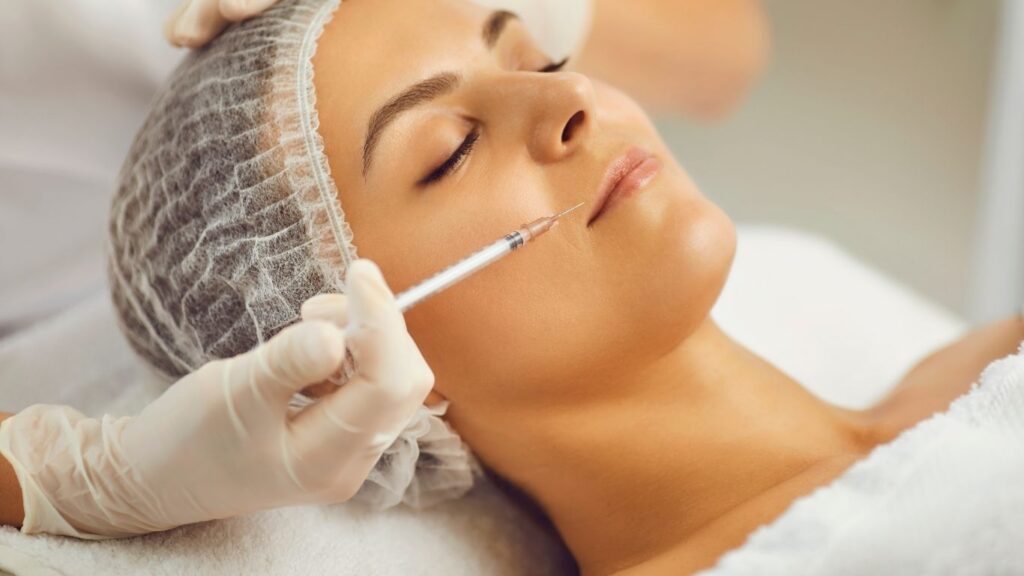
Glutathione injections are used for skin lightening and also detoxification purposes. Additionally, these injections are typically more expensive with prices ranging from NPR 5,000 to NPR 15,000 per session, depending on the clinic and the number of sessions required.
4. Glutathione Soap
Glutathione soap is one of the good options for those who want to incorporate glutathione into their skincare routine. Additionally, it helps to cleanse and lighten the skin and reduce dark spots and pigmentation. Glutathione soap in Nepal typically costs around NPR 300 to NPR 1,500.
5. Glutathione Supplements and Vitamin C
Combining glutathione with vitamin C is popular because these two work synergistically to enhance skin-lightening and antioxidant effects. Most of the brands offer glutathione and vitamin C together. These typically cost slightly higher than without vitamin C and between NPR 2,000 to NPR 5,000.
Glutathione-Rich Foods: Natural Sources of Glutathione
Glutathione supplements are widely available. It is always a good choice to include glutathione-rich foods in your diet. So, eating foods that support glutathione production can help to maintain healthy glutathione levels.
Garlic
Garlic is also known for boosting glutathione production. It contains sulfur compounds that help to enhance glutathione activity in our body.
2. Spinach
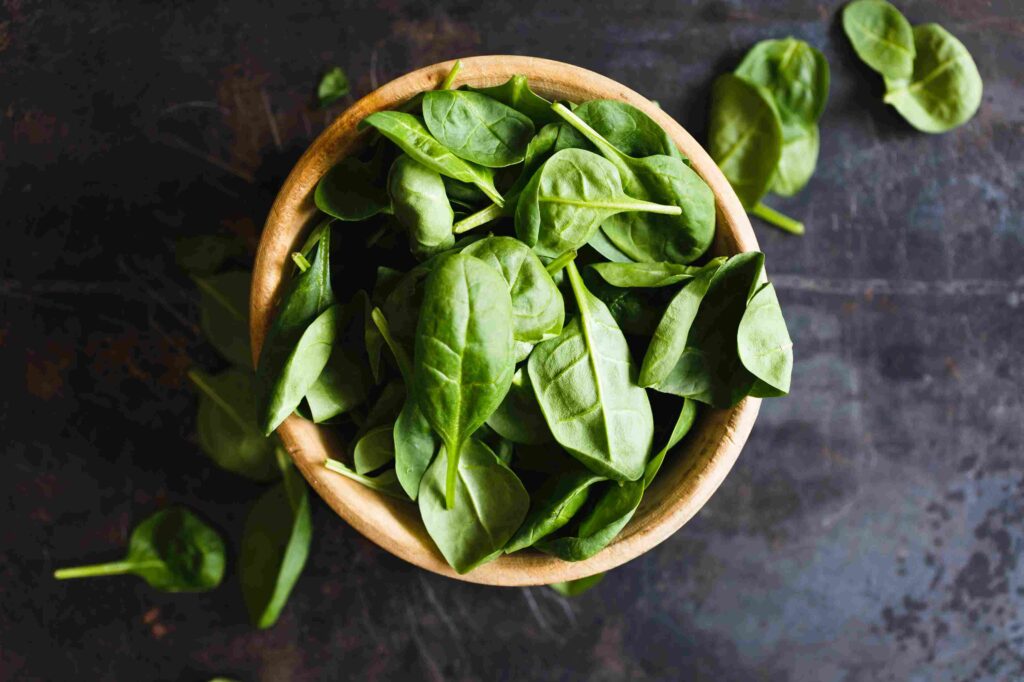
Spinach is rich in antioxidants including glutathione. So, including spinach in our daily diet can help boost our natural glutathione production.
3. Avocados
Avocados contain both glutathione and essential nutrients like healthy fats which makes them an excellent addition to your diet.
4. Broccoli
Broccoli is another vegetable that supports the body’s production of glutathione. It also contains compounds that help with detoxification.
5. Papaya
Papaya is also very rich in vitamin C which plays a very important role in increasing the effectiveness of glutathione in the body.
Frequently Asked Questions (FAQs):
What are the benefits of taking glutathione supplements?
Glutathione is known for its antioxidant properties. These properties help to reduce oxidative stress, improve liver detoxification, enhance skin health, and support immune function. It is often used for skin brightening and as an anti-aging supplement due to its ability to combat free radical damage.
Are glutathione supplements safe for daily use?
Yes! It is safe when taken in appropriate doses, such as up to 500 mg per day for a few months. However, long-term use should be monitored, and consulting a healthcare provider is recommended, especially for individuals with specific medical conditions
Which form of glutathione supplement is the most effective?
Liposomal glutathione is considered highly effective due to better absorption, while IV glutathione provides the quickest results but is typically used in clinical settings.
Can glutathione help with skin whitening?
Yes! It is commonly used for skin brightening as it inhibits melanin production. However, the effects vary among individuals, and consistent use over time is required to see noticeable results
Who should avoid taking glutathione supplements?
People with asthma, bleeding disorders, or allergies to glutathione should avoid it unless prescribed. Pregnant or breastfeeding women should avoid it.
Conclusion
In conclusion, glutathione is a very powerful antioxidant that offers many benefits. It also detoxifies, improves skin health, and supports the immune system. The price of glutathione supplements and related products varies from place to place in Nepal.
Additionally, Vitamin Nepal provides you with the best glutathione supplements and the most reputed brands of products at the best prices in all of Nepal. It is very important to choose high-quality products that suit your needs. Likewise, incorporating glutathione-rich foods into your diet can help naturally boost your glutathione levels and enhance the benefits of supplementation.
Amino acids are organic compounds and play an important role in muscle repair to mood regulation. In the past recent years, there has been a rise in interest in amino acid supplements in Nepal. People nowadays prioritize health, fitness, and also well-being. The use of amino acid supplements rises day by day in Nepal.
What Are Amino Acids?
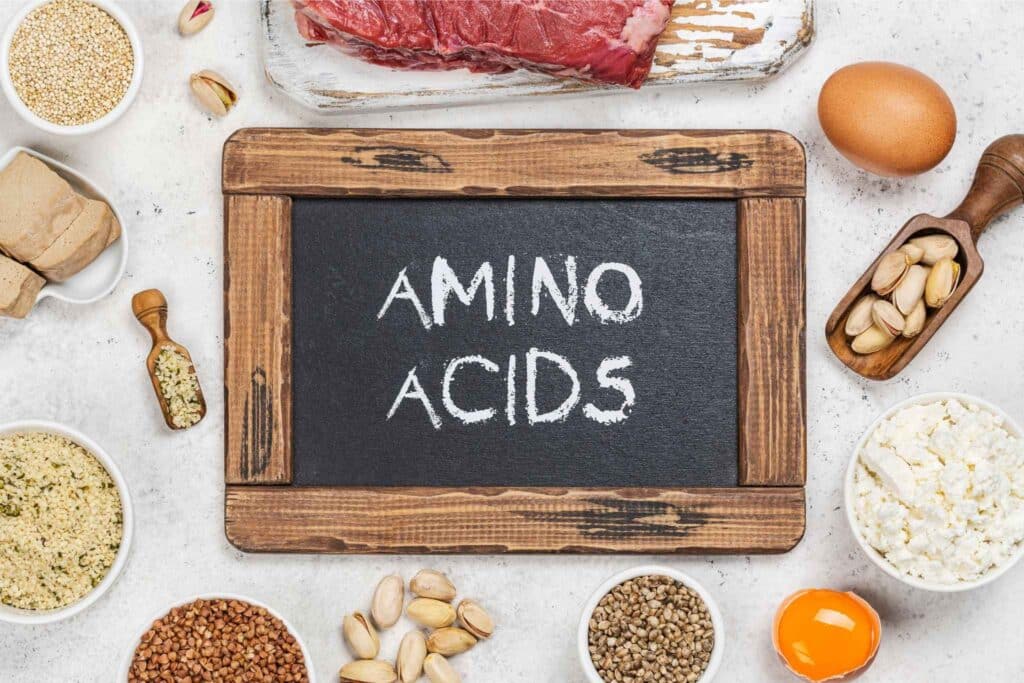
Amino acids are also referred to as the building blocks of proteins. Proteins are very important for every biological process in the body. Similarly, every amino acid has its specific role in the body. Some support muscle recovery, some improve immune function, and some even also aid cognitive processes. There are two main categories of amino acids. They are: essential and non-essential.
Essential and Non-Essential Amino Acids
Essential amino acids like lysine, tryptophan, and also valine come from food sources or supplements. Our body can’t produce these types of amino acids.
Similarly, non-essential amino acids like glutamine and alanine can be produced by our body and these are important for optimal health. Additionally, both play important roles in various functions of our body.
Benefits of Essential Amino Acids
Lysine
Lysine is known for supporting immune health. This characteristic makes it very helpful for fighting viral infections. This amino acid also plays an important role in collagen production which benefits skin and joint health. Most of the people in Nepal go for lysine supplements for better immune during cold seasons.
Tryptophan
Tryptophan helps with serotonin production in our body. Serotonin plays an important role in regulating our mood and sleep patterns. Tryptophan is especially beneficial for those people who are dealing with stress and sleep disorders. Some rich foods for tryptophan are dairy and poultry. If you are not getting enough from diet then supplements would be a better option to improve mental well-being.
Benefits of Non-Essential Amino Acids
Glutamine
Glutamine is one of the popular amino acids for athletes and fitness lovers. It aids in muscle repair and recovery after exercise. After an intense workout, glutamine levels can drop to lower. Glutamine supplementation can be beneficial for those aiming to speed up muscle recovery and prevent muscle soreness after an intense workout.
Taurine
Taurine is commonly known for energy production, metabolic function, and overall cardiovascular health. It is taken as an energy drink and performance supplement. Taurine can be a very powerful addition to maintaining stamina and focus throughout the day.
Popular Amino Acid Supplements and Their Uses
Amino Acid Supplements for Different Needs
BCAAs (Branched-Chain Amino Acids)
BCCAs including leucine, isoleucine, and also valine are crucial for muscle growth and prevent muscle from breaking. They are popular in Nepal among athletes and bodybuilders as they help to reduce muscle fatigue and also improve endurance. Additionally, people consume BCAAs in powder form for easy mixing with water or other liquids.
L-glutamate and MSG
L-glutamate is commonly used in food as a flavor enhancer in the form of monosodium glutamate (MSG). MSG has mixed reviews from users. Likewise, L-glutamate plays a significant role in taste enhancement and as a nutritional supplement for those who need extra protein intake.
How to Choose the Right Amino Acid Supplement
Choosing an amino acid supplement depends on specific health and fitness goals.
Muscle growth and exercise recovery: BCAAs or glutamine supplements can be ideal.
For improved mental focus and energy: Consider taurine-based energy drinks or tryptophan supplements for mood.
For immunity and overall wellness: Lysine and glutamine offer excellent benefits.
If you are looking to buy amino acid supplements then have a look at our online store. We at Vitamin Nepal offer you the best amino acid supplements from reputed brands at the best price.
Always consult a healthcare professional to determine the best supplement and dosage for your needs.
Natural Sources of Amino Acid
Non-veg sources of Amino Acids
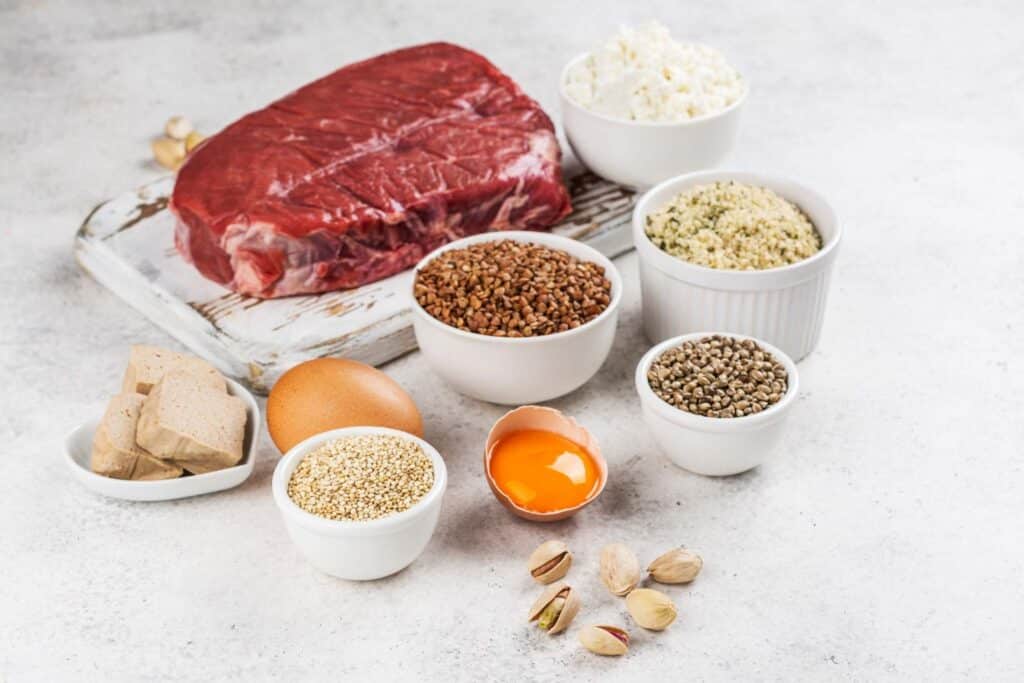
Foods are one of the best sources of amino acids. High-protein foods like meat, fish, eggs, and also dairy products provide all essential amino acids to our body.
Plant-Based Sources of Amino Acids
For vegans’ plant-based diets like lentils, beans, tofu, and spirulina can also help to meet amino acid requirements. These foods also provide us with a balance of non-essential amino acids and can be combined to form a complete protein.
Frequently Asked Questions (FAQs):
What are the side effects of amino acid supplements?
Most amino acid supplements are safe when taken in the recommended quantity. However, excessive intake may lead to digestive issues or, in rare cases, kidney strain.
Are BCAAs safe for daily use?
Yes, BCAAs can be taken daily, especially for active individuals. Just be sure to always follow the recommended dosage on the product label.
Can amino acids help with weight loss?
While amino acids are not directly linked to weight loss, certain types like BCAAs can help preserve muscle mass during calorie restriction, supporting a leaner physique.
Conclusion
Amino acids are important to health. It supports everything from muscle recovery and immunity to mood and also energy. If you are an athlete, someone aiming for better health, or simply interested in a balanced diet amino acids can offer you a significant benefit.
Lutein is also known as an eye vitamin. It is a powerful antioxidant that plays a very important role in maintaining vision of eyes and overall health. It is found in various fruits and vegetables.
This nutrient is a part of the carotenoid family and is closely associated with another important carotenoid called zeaxanthin. Together both support eye health, skin health, and cognitive functions of the body.
What is Lutein?
Lutein is a yellow-to-orange colored pigment that is found in plants and animal products. As a carotenoid, it acts as a natural antioxidant that fights oxidative stress and protects our cells from damage. This carotenoid is highly concentrated in the macula. It is a part of the retina that is responsible for central vision.
Key Functions of Lutein:
Protecting Vision: It filters out harmful blue light and also protects retinal cells.
Antioxidant Role: Reduces oxidative stress, slowing down age-related eye diseases.
Skin Protection: Helps to defend against UV radiation and also skin aging.
Health Benefits of Lutein
1. Eye Health and Vision Support
Lutein is mostly known for its positive effects on eye health. Some research shows that it can help to reduce the risk of chronic eye conditions like age-related macular degradation (AMD) and cataracts. It minimizes oxidative damage in the retina by filtering the harmful blue light. It also helps to preserve healthy vision as you age.
Reduction in Macular Degeneration: Studies suggest that consuming more of this vitamin can decrease the risk of AMD, a leading cause of vision loss.
Protection Against Cataracts: Lutein also contributes to lowering the risk of cataracts by protecting the eye lens from oxidative damage.
2. Skin Health
Its antioxidant properties are also beneficial for skin health. Additionally, it can help to protect from the damage to the skin from UV rays. It also reduces the risk of premature skin aging and wrinkles.
UV Protection: Lutein protects the skin from the sun’s harmful rays by preventing photodamage.
Increased Skin Hydration and Elasticity: Research indicates that lutein may improve skin hydration and also elasticity.
3. Cognitive Function
It Is also associated with the brain and its health. As we get older, oxidative stress plays an important role in driving cognitive decline. It helps to reduce inflammation and oxidative stress in the brain supporting memory and also mental health.
Enhanced Cognitive Function: Higher levels of this vitamin are correlated with improved cognitive performance in old age.
Protection Against Cognitive Decline: It plays a protective role in brain health by reducing inflammation and oxidative damage.
4. Heart Health
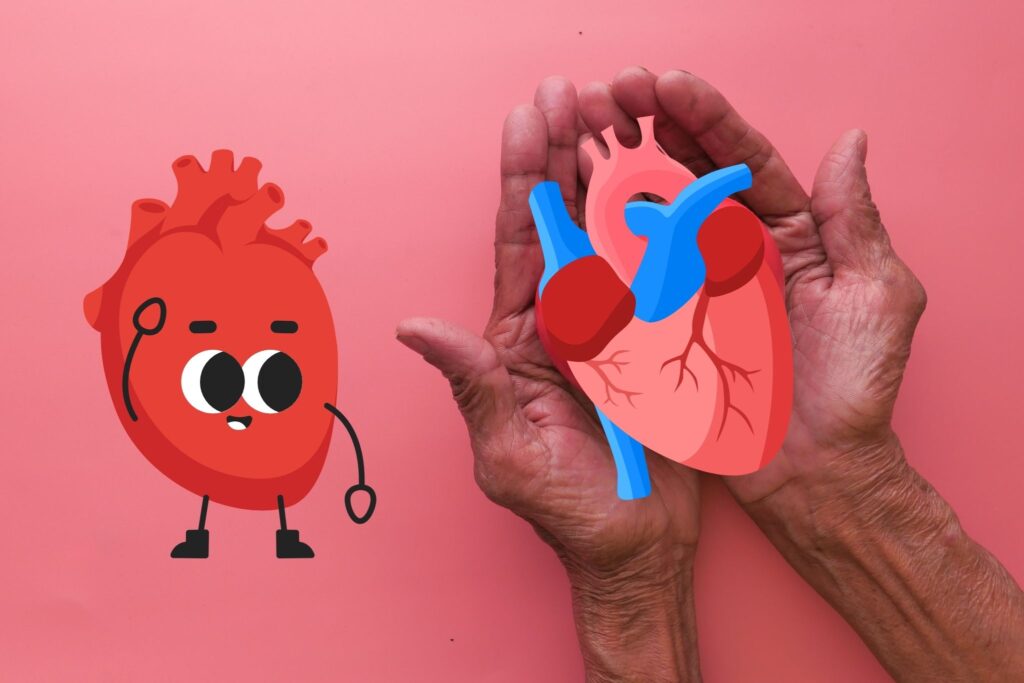
Lutein may also benefit heart health. It lowers the risk of atherosclerosis. Atherosclerosis is a condition where the arteries that carry blood from the heart to the rest of the body become clogged with fatty deposits.
Reduction in LDL Cholesterol Oxidation: Studies have shown that lutein may lower levels of oxidized LDL cholesterol, a key contributor to heart disease.
Anti-inflammatory Effects: Its anti-inflammatory properties also contribute to heart health by reducing blood vessel inflammation.
Common Sources of Lutein
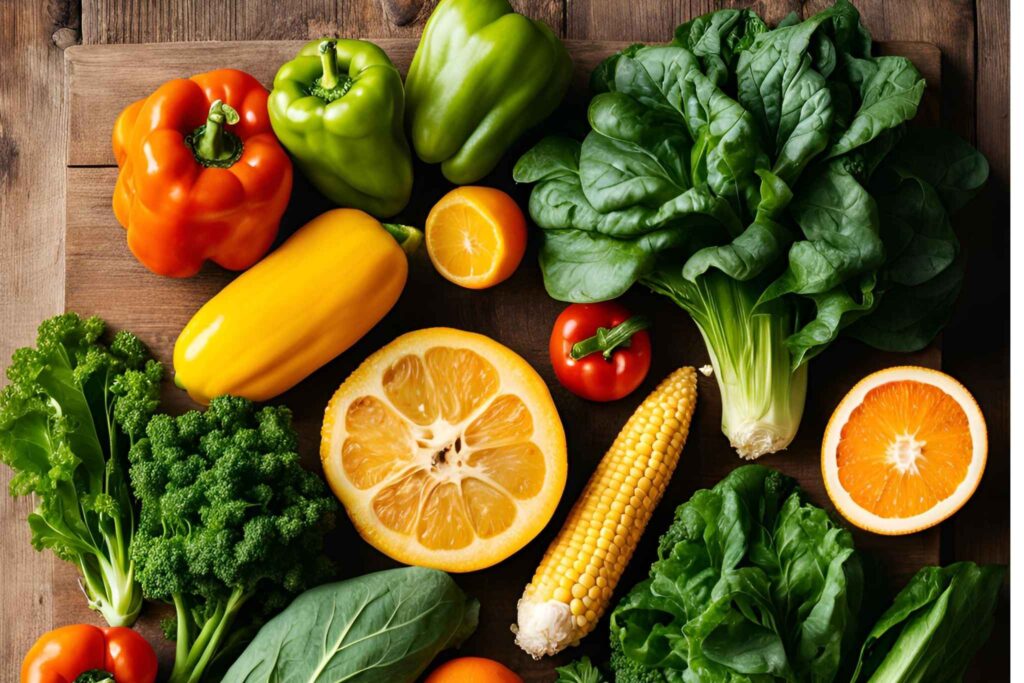
Incorporating lutein-rich foods is an excellent way to fulfill your lutein requirements. Here are some sources to add to your diet:
Kale
Spinach
Swiss Chard
Carrots
Broccoli
Brussels Sprouts
Orange and Yellow Bell Peppers
Egg Yolks
Corn and Maize
Oranges
Honeydew melon
Kiwis
Red Grapes
Peas
Supplements
Getting enough of this vitamin from food sources only is not easy. In that case, supplements might be a good option. Always look for ones that also contain zeaxanthin. This helps our body to absorb lutein easily and gives out the best result.
You can buy this supplement at medical stores and also online stores including Vitamin Nepal.
At Vitamin Nepal, we sell a variety of lutein supplements from different and reputed brands at the best price.
Deficiency: Symptoms and Risks
Its deficiency is very uncommon. In older adults, it is seen that a low intake of this vitamin may increase the risk of vision problems. Here are some symptoms and risks:
Blurry Vision and Eye Strain: A low level of this vitamin may contribute to eye discomfort, dryness, and also poor night vision.
Increased Risk of AMD and Cataracts: Without enough of this vitamin, the retina is more vulnerable to oxidative damage.
Skin and Cognitive Decline: A deficiency may lead to a higher risk of skin damage from UV rays and accelerated cognitive decline due to oxidative stress.
Recommended Dosage
There is no guideline for how much of this vitamin we should take. However, research suggests that 10 to 20 mg/ day is beneficial for eye and skin health.
Additionally, always consult a healthcare provider before adding supplements, especially if you have existing health conditions.
Lutein and Zeaxanthin: Why They Work Better Together
Lutein and zeaxanthin work better together because zeaxanthin enhances the bioavailability of this vitamin and makes it easier for the body to absorb. This results, in our body utilizing these nutrients with full potential to protect our eyes from blue light and oxidative damage. The macula and retina concentrate both, allowing them to filter harmful light and protect cells from damage
Tips for Maximizing Lutein Absorption
Pair with Healthy Fats: These are fat-soluble and also they are better absorbed with fats. Similarly, adding a small amount of olive oil or avocado can help increase lutein absorption.
Consume in Whole Food Form: Whole foods provide other beneficial nutrients that enhance their effect.
Cook Lightly: While this vitamin is stable in cooked foods, overcooking may reduce its potency. Light steaming is ideal for vegetables.
Frequently Asked Questions (FAQs):
What are the benefits of lutein supplements?
The benefits are maintaining eye health, improving visual performance, and protecting against blue light and also age-related vision decline.
Can lutein protect against digital eye strain?
Yes, it filters high-energy blue light from screens, reducing eye strain and fatigue.
Is it safe to take lutein daily?
Yes, it is generally safe for daily use within recommended dosages.
Can lutein improve skin health?
It acts as an antioxidant and natural UV filter, supporting skin elasticity and firmness.
Are lutein supplements vegan?
Many are plant-based, but it is best to check the specific product label for confirmation.
Conclusion
In conclusion, it is a nutrient with various health benefits, particularly for eyes, skin, cognitive, and heart health. By incorporating lutein-rich foods like leafy vegetables, eggs, corn, etc. in your daily diet you can boost your intake. If a daily diet is not enough for you then you can have a supplement option to meet the daily requirements for the body.
Zinc is a mineral that plays a very important role in maintaining a healthy immune system, cell function, wound healing, and also protecting the body against infections. Here in Nepal, there is a wide range of climatic conditions.
From winter to hot and humid monsoons, having a strong and adaptable immune system is very important. Changes in weather bring risks of seasonal illnesses. Here comes the important role of this mineral because it contains immune-boosting properties. The availability of this mineral in many foods and supplements makes it a valuable nutrient to consider for better health in Nepal’s varied climate
Why Zinc is Important for Immune Health
A healthy immune system means the ability to fight various seasonal illnesses and infections. It also plays a very important role in activating immune cells like T-cells that detect and eliminate disease-causing viruses like pathogens. Its deficiency can compromise the immune response. This can make you more unsafe for infections like colds, and flu, as well as respiratory issues. That is common during colder seasons.
During the colder season, having a strong immune system helps to fight off illnesses. This is where this mineral steps in. Additionally, it is known for shortening the duration of colds by helping the immune system function more effectively. Similarly, some studies show that those who maintain healthy zinc levels have strong resistance to colds and other illnesses.
Seasonal Illnesses in Nepal
Nepal’s climate changes across the seasons. Every season brings challenges to health. Here is how zinc can make a difference during seasons:
Winter Season (December – February)
In the winter season, the temperature becomes colder which increases the chance of having flu and the common cold. This low temperature can cause weakness in immune defenses. This makes people more vulnerable to viruses. For this having zinc-rich foods and supplements can help to improve immunity and maximize the impacts of winter illnesses.
Monsoon Season (June – September)
In the monsoon season, there is high humidity and frequent rainfall. Due to the frequent rainfall, there are bacteria and viruses in the environment that multiply quickly. In this season people with weak immune might caught by viral infections, stomach issues, and other seasonal diseases. It can help to improve the body’s defense mechanism against these diseases. Likewise, it enables the immune system to handle those challenges brought by monsoon.
How Much Zinc Do You Need?
Understanding the recommended intake of this supplement is important to achieve maximum immune support. The recommended dietary allowance (RDA) for this mineral varies by age and gender:
Adult Men:11 mg per day
Adult Women:8 mg per day
Pregnant Women: 11 mg per day
Children (4–8 years): 5 mg per day
Our body needs only a small amount of zinc. It is very important to ensure that you are meeting your daily needs to maintain a strong immune. Excessive intake especially from supplements can cause adverse effects in our body. So it is best to consult a healthcare provider before taking any supplements.
Best Zinc-Rich Foods in Nepal
For people who are aiming for their zinc requirements through a diet then there are several foods available in Nepal that provide a good amount of this mineral. Here are some rich foods commonly found in Nepal:
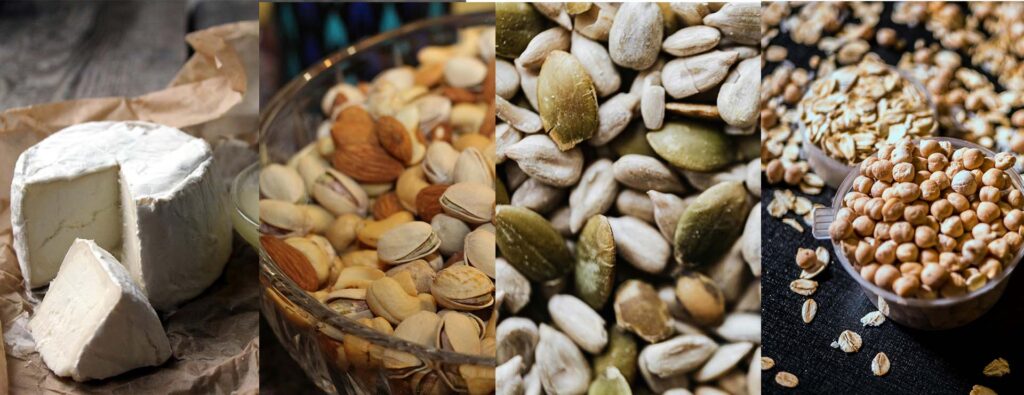
Lentils and Chickpeas: These popular beans are a great vegetarian source and are frequently used in Nepali cooking.
Meat (especially mutton and chicken): Animal products are typically higher in zinc, making them excellent sources for non-vegetarians.
Seeds (Pumpkin, Sunflower): A rich source and they’re easy to incorporate into snacks and meals.
Nuts (Almonds, Cashews): Nuts are packed with healthy fats and are an accessible source of zinc.
Dairy Products (Milk, Yogurt): These are valuable sources of zinc and calcium, and are consumed in Nepal as part of traditional meals.
Having these zinc-rich foods in your daily diet can support your immune health for a long. Traditional Nepali dishes like daal and curries might be even healthier by including zinc-rich foods like chickpeas or meat.
It is always best to meet nutrient requirements through diet. Supplements can be useful for those who are not getting enough of this mineral from food alone. Tablets are also sold in the market with different names like zinc sulfate, oxide, and chloride supplements. For women especially during periods, it can be very beneficial for them to support immune needs.
Sulfate and oxide are the most common forms used in supplements. Zinc chloride and oxide can be found in products like multivitamins. It is very important to choose a high-quality supplement and stick to the recommended dosage to avoid side effects. You can buy this mineral supplement in healthcare stores and online stores including Vitamin Nepal. At Vitamin Nepal, we sell supplements from reputed brands at the best price possible. You can have a look.
Zinc Deficiency in Nepal: Signs and Prevention
Zinc deficiency is common in people where access to zinc-rich foods is limited or where diets are low in animal products. In Nepal, the common signs of this mineral deficiency may include:
– Frequent colds or infections
– Slow wound healing
– Hair loss
– Fatigue and weakness
A zinc deficiency may lead to a weak immune system, making the body more vulnerable to infections. By eating a balanced diet that includes both plant-based and animal-based sources or using supplements, when necessary, you can effectively prevent deficiency.
Tips for Boosting Immunity with Zinc in Nepal
Maintaining a healthy immune system is important but mostly during seasons when illness is common. Here are some tips according to my research to keep your level up and boost immune in Nepal’s Climate:
1. Include a variety of zinc-rich foods in your diet, such as legumes, meats, seeds, nuts, and dairy.
2. Consider zinc supplements during seasonal changes or when facing potential deficiency symptoms.
3. Check your daily dosage and avoid excessive intake. While it is important, too much can lead to issues.
4. Consult a healthcare provider if you are not sure about starting a supplement.
FAQs (Frequently Asked Questions):
Why is zinc important for immunity?
It supports immune cell function and helps fight infections, making it essential for strong immunity.
Which zinc-rich foods are available in Nepal?
Foods like lentils, chickpeas, pumpkin seeds, meat, and dairy products are excellent sources.
Who should consider zinc supplements?
Those with low levels, pregnant women, vegetarians, and older adults may benefit from supplements (after consulting a doctor).
What are the side effects of taking too much zinc?
High doses can cause nausea and stomach cramps, so it’s best to stick to recommended amounts.
Conclusion
In conclusion, this mineral plays an important role in our body to support and maintain a healthy immune system. Especially in Nepal where climate challenges are frequent, maintaining these mineral levels through diet or supplements can be a better way to support immune health. Always remember a balanced diet and proper supplementation can help you to stay healthy throughout the year.
Combine Multivitamin supplements with this mineral for enhanced Immune health, and overall well-being. Explore more about multivitamin supplements here on –> Multivitamins in Nepal.
Biotin is also widely known as Vitamin B7. This is a water-soluble vitamin that is essential for several body functions like hair, skin, and nail health. It is also known as the beauty vitamin. It supports keratin production in our body which makes up hair, skin, and nails. If you are facing problems like hair loss, brittle nails, and skin issues then understanding vitamin B7 benefits helps you to decide whether this vitamin Is right for you or not.
In this article, we will explore everything about biotin that you should know and also discuss where you can find the best biotin supplements in Nepal.
What is Biotin?
Biotin is a B-complex vitamin that helps our body to convert food into energy. It plays an important role in metabolizing fats, carbohydrates, and proteins. These support cell and overall body functions. In Germany, it is referred to as the “H” vitamin because of its connection to hair (haar) and skin (Haut). Biotin is important for maintaining hair, skin, and also nail health.
Why is Biotin Essential?
Our body doesn’t store vitamin B7 for long. So, to fulfill its requirements for our body it is important to consume B7 regularly through diet or supplements. Here are the benefits:
1. Supports Hair Health and Reduces Hair Loss
It helps to maintain the strength of the roots of your hair and also reduces hair thinning. This helps to prevent hair loss. Biotin improves the keratin infrastructure which directly impacts to quality and thickness of our hair. Most people use Vitamin B7 for hair loss with noticeable results after consistent use.
2. Promotes Healthy Skin
Biotin’s role in metabolizing fat in our body is very beneficial for our skin health. It helps to keep our skin hydrated and reduces skin issues like dryness and flakiness. Its deficiency can lead to serious skin issues like rashes and dermatitis.
3. Strengthens Nails
Brittle nails are one of the signs of deficiency. In this case, vitamin B7 can help to make nails strong and reduce splitting and breaking.
How Much Biotin Do You Need?
The need for biotin varies from person to person depending on age and health status. An average adult requires 30- 100 mcg per day. Most people fulfill their vitamin B7 needs through a balanced diet. If you are facing issues with hair, skin, and nails then a supplement may be beneficial for you.
Biotin-Rich Foods to Include in Your Diet
The best way to prevent deficiency is to eat a diet-rich food. Here are some biotin-rich foods to add to your daily routine to fulfill Vitamin B7 requirements:
Egg Yolks: It is one of the rich sources.
Nuts and Seeds: Almonds, walnuts, and sunflower seeds are packed with vitamin B7.
Sweet Potatoes: Sweet Potatoes are a great source of vitamin B7 with a high amount of fiber and antioxidants.
Bananas: These are convenient sources and also easy to include in daily diet.
Spinach: This green leafy is not only rich in biotin but also in iron and other vitamins and minerals.
Should You Take Biotin Tablets or Capsules?
If you are not getting enough biotin through diet then tablets or capsules might be the best alternatives. Many people select tablets in Nepal to support hair and skin health. Depending on individual needs tablets or capsules come in different dosages ranging from 1000 mcg to 10,000 mcg.
Biotin Tablets: Tablets are easy to take and come in precise dosages. Often combined with other vitamins for overall health support.
Biotin Capsules: Capsules are usually softer and easier to swallow. Some prefer capsules for faster absorption.
Taking capsules or tablets depends on personal preferences. Some prefer tablets for their cost-effectiveness and some might prefer capsules that are easy to swallow.
Potential Side Effects of Biotin Supplements
It is generally considered safe when taken in the recommended amount. Taking excessive doses can lead to side effects. Some of the potential side effects:
Digestive Upset: High doses may cause minor stomach discomfort.
Skin Rashes: Rarely but in some people may develop a rash as a mild allergic reaction.
Lab Interference: These supplements can interfere with certain blood tests, particularly thyroid hormone tests. It’s essential to inform your doctor if you are taking it.
It is always recommended to consult a healthcare professional before beginning a new supplement to avoid unnecessary risks.
How to Identify Deficiency
While biotin deficiency is rare, certain signs indicate low biotin levels:
Hair Loss: Thin hair or hair falling out more than usual can be a sign of low.
Skin Issues: Dry, flaky skin(cracked skin), and even rashes around the face and also in other areas of the body.
Weak Nails: Brittle nails (weak nails) that chip or break easily could point to a need for more.
Fatigue and Muscle Pain: A severe deficiency may even lead to muscle pain and general fatigue due to impaired metabolic functions.
Choosing the Right B7 Supplement in Nepal
If you are looking to buy B7 tablets in Nepal you have to consider a few things:
It must be from a reputable brand.
Always check for certifications.
Read product reviews.
Consult with a healthcare provider for the best options.
There are a number of vitamin B7 supplements available in Nepal. You can find it in health stores and also in online stores including Vitamin Nepal. At Vitamin Nepal we have biotin supplements from various reputed brands at the best price. We always offer you the best price possible.
Frequently Asked Questions(FAQs):
Can I Get Enough Biotin from Food Alone?
Yes, you can get enough from food alone. However, some people require supplements due to low vitamin B7 levels or specific health concerns.
Are There Side Effects to Taking Vitamin B7 Tablets?
While side effects are rare, excessive doses may cause minor digestive issues or interfere with lab tests. Always take supplements as directed.
How Long Does It Take for Vitamin B7 to Work?
For noticeable results in hair, skin, and nails, it usually takes 3-6 months of regular biotin supplementation, although results may vary in every individual case.
Is Biotin Necessary for Healthy Hair and Skin?
Yes, biotin plays an important role in the production of keratin, which is necessary for maintaining hair strength and also skin health.
Conclusion
In conclusion, Vitamin B7 Is an essential vitamin for maintaining healthy hair, skin, and nails. Whether you choose to take biotin-rich foods in your diet or choose tablets or capsules, this vitamin offers you a number of benefits.
If you are going to take biotin supplements, consult a healthcare provider to determine the right dosage. It can be an excellent addition to your daily routine if you are facing a deficiency or want to enhance your beauty routine. It improves hair texture, provides strength to nails, and also promotes glowing skin. The benefits of biotin are truly worth exploring.
Combine vitamin B7 supplements with vitamin D for enhanced skin health, bone strength, optimal absorption, and overall well-being. learn more in our Buy Vitamin D Supplements at Best Price in Nepal blog.
You can order directly by calling us. 📞Contact: 9801205255, 9847396489