Vitamin K plays an important role in our bodies. Though other vitamins overshadow it, it is essential for maintaining good health. If you have been searching for ways to learn and understand this important nutrient and whether a vitamin K supplement is right for you, you have come to the right place.
What is Vitamin K?
Vitamin K is a fat-soluble vitamin that our body needs to perform various important functions. It is also known as the clotting vitamin. Our body needs this vitamin to make certain proteins (clotting factors like II, VII, IX, and X) in the liver that are responsible for blood clotting. There are two main types of vitamin K. They are:
Vitamin K1 (Phylloquinone): Found in plant-based foods like green leafy vegetables.
Vitamin K2 (Menaquinone): Found in animal-based and fermented products.
Both forms of this vitamin help our body in unique ways and ensure that everything functions smoothly.
Why is Vitamin K important?
Vitamin K is vital for processes like blood clotting and bone health. Without enough vitamin K, even a minor scratch can cause excessive bleeding. Additionally, it supports calcium regulation in the bones and reduces the risk of osteoporosis (a condition that weakens bones).
Vitamin K Benefits
Here are some key benefits that you can get from vitamin K:
Helps blood clotting: Prevents excessive bleeding by clot formation.
Strengthens bones: Supports the deposition of calcium in bones and enhances strength
Promotes heart health: Helps prevent calcium buildup in arteries
Common signs of Vitamin K Deficiency
Vitamin K deficiency is rare, but it can happen. Signs like:
Ease bruising
Frequent nosebleeds
Heavy menstrual bleeding
Blood in urine or stool
If you are experiencing these symptoms, consult a doctor to check your vitamin K levels. If you have low levels of vitamin K in your body, then you need a vitamin K supplement.
Who Needs a Vitamin K Supplement?
Most people get enough vitamin K through their diet, but certain groups may need a vitamin K supplement.
Newborns: Babies are often given a vitamin K injection at birth to prevent bleeding.
People with digestive disorders: Conditions like Crohn’s disease (a condition that affects the gastrointestinal (GI) tract) or celiac disease (a chronic autoimmune disorder) can make it more difficult for vitamin K to be absorbed.
Those on specific medications: Certain antibiotics and anticoagulants can interfere with vitamin K levels.
Sources of Vitamin K
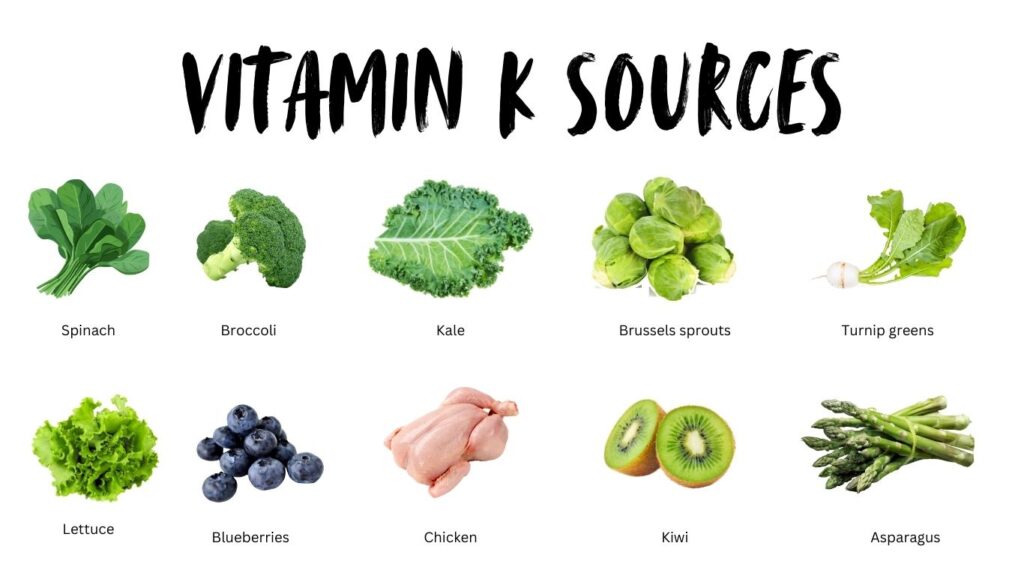
Eating a balanced diet is the best way to get enough Vitamin K. Here are some common Vitamin K foods:
Vitamin K1-rich foods: Spinach, kale, broccoli, and lettuce
Vitamin K2-rich foods: Egg yolk, cheese, fermented foods (like natto), and meat and poultry
Including these in your meals can help you maintain an adequate level of vitamin K.
Should You Take Vitamin K Supplement?
If your diet lacks vitamin K-rich foods or you fall into the high-risk category, then taking a vitamin K supplement might be beneficial.
Types of Vitamin K Supplements:
Vitamin K1 Supplements: Ideal for general deficiency.
Vitamin K2 Supplements: Recommended for bone and heart health.
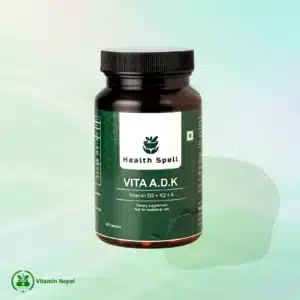
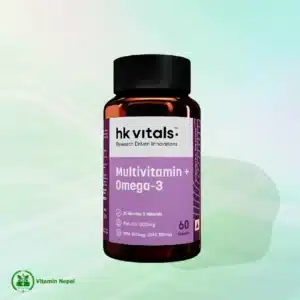
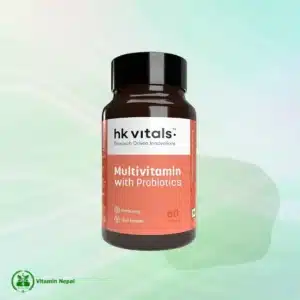
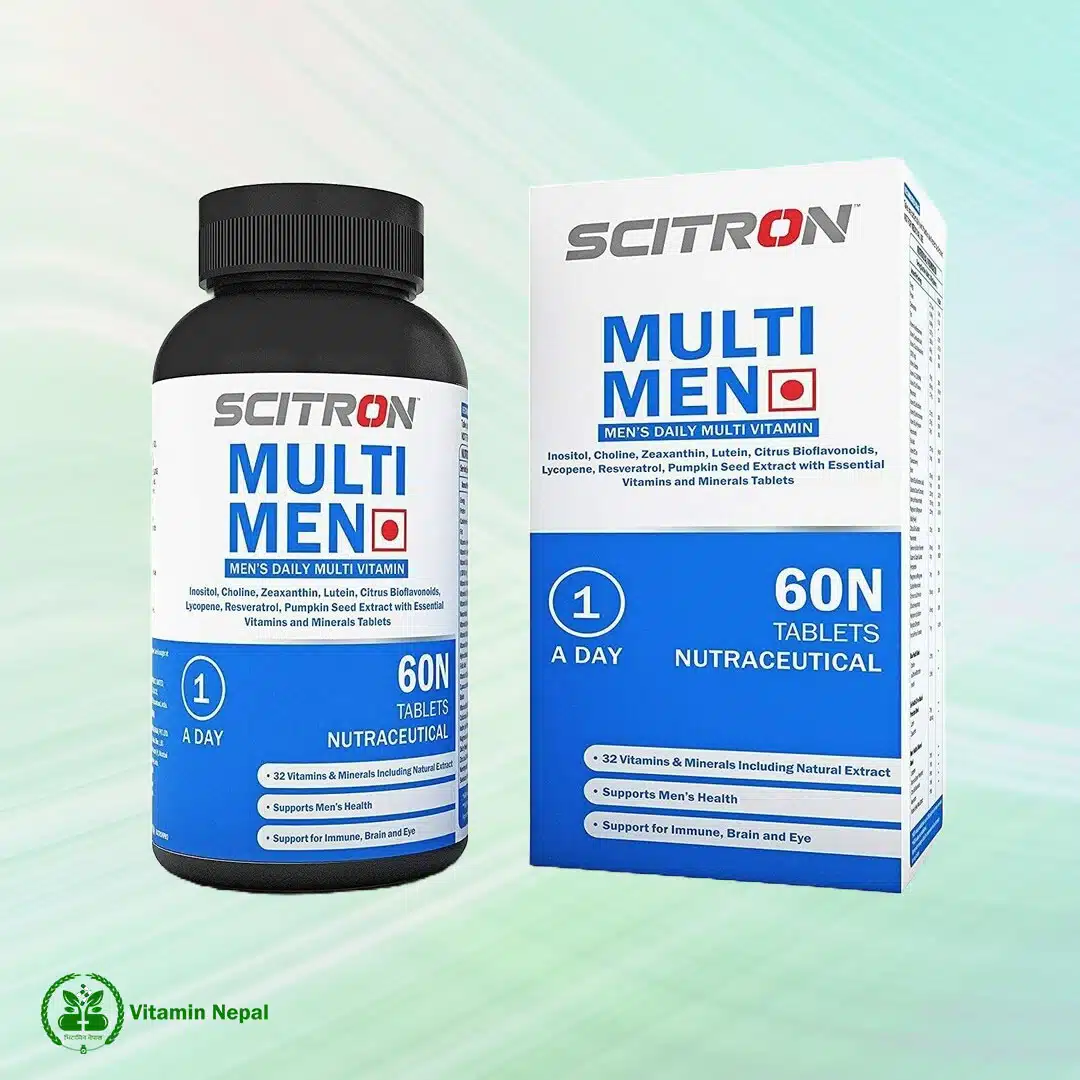
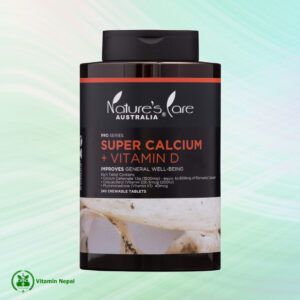
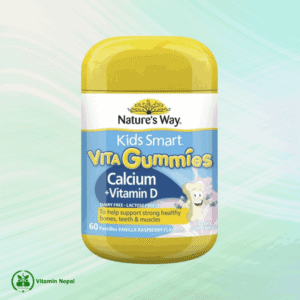
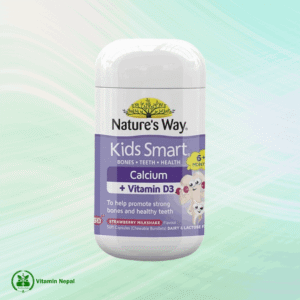
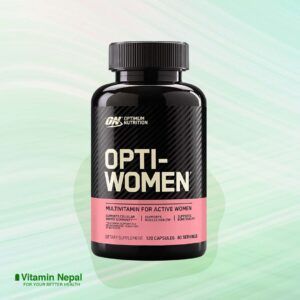
Here are some multivitamins that contains Vitamin K:
The recommended vitamin K dosage varies by age and gender. Here is the generally recommended dosage of vitamin K:
Men (19+ years): 120 micrograms (mcg) per day.
Women (19+ years): 90 mcg per day.
Children (1-18 years): 30-75 mcg per day.
Your specific needs might differ based on health conditions or lifestyle.
Vitamin K for Newborns
Newborns are at risk of vitamin K deficiency because they don’t get enough through breast milk. That’s why doctors often provide a vitamin K injection to newborns shortly after birth. This simple but effective step can prevent severe bleeding.
Frequently Asked Questions (FAQs):
What is vitamin K’s name on Supplements?
On supplement labels, there is written as phylloquinone (K1) or menaquione (K2).
Can I get enough vitamin K from food?
Yes, you can get it through a diet rich in vitamin K foods like spinach, broccoli, and eggs.
Are there any side effects of having too much vitamin K?
Vitamin K toxicity is rare. However, having excessive amounts without medical advice can lead to complications like blood-thinning medications.
What are the best vitamin K sources?
Green leafy vegetables, fermented foods, and animal products are the top sources of vitamin K.
Is a vitamin K injection necessary?
Not for most adults. However, it is a lifesaver for newborns and some medical conditions.
Conclusion
In conclusion, vitamin K is a small but mighty nutrient that keeps your body functioning smoothly. This vitamin supports strong bones and blood clots, and its benefits are undeniable. Additionally, while many people get enough through diet, others benefit from a vitamin K supplement. In Nepal, options for vitamin K supplements are available, which makes it easier than ever to meet your needs. Always consult your doctor to find out what’s best for you.
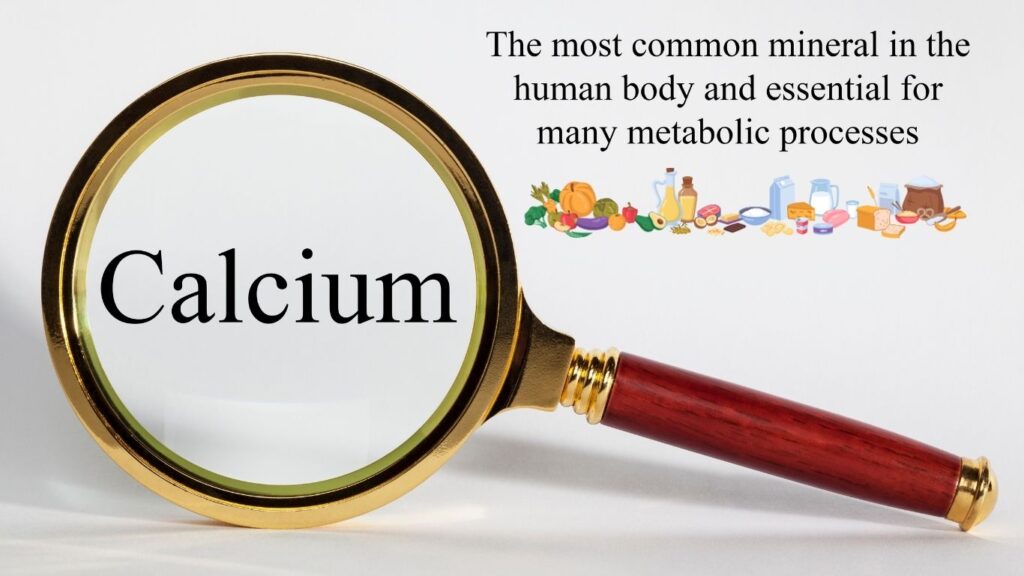
Calcium is a key mineral that keeps bones and teeth strong, helps your muscles work properly, and supports healthy nerve function. Calcium is a must-have nutrient when it comes to staying healthy.
It is crucial for strong bones and teeth and many vital bodily functions. In Nepal, understanding the importance of calcium and how to include it in daily routine can improve overall health.
Why Do You Need Calcium?
It is the building block of our body. It is essential for:
Strong Bones and Teeth: It strengthens bones and prevents issues like osteoporosis.
Muscle Function: It helps muscles contract and relax properly.
Nerve Signals: Calcium aids in communication between your brain and body.
Blood Clotting: It plays a critical role in stopping bleeding.
Hormone Release: Calcium helps certain hormones function effectively.
These are just some benefits of calcium. It is an important nutrient for everyone, especially in Nepal, where calcium deficiency is very common.
Calcium-Rich Foods
Eating calcium-rich foods is one of the best ways to ensure you get enough of this mineral. Some options were available in Nepal. These are:
Dairy Products: Milk, yogurt, and cheese are excellent sources.
Leafy Greens: Spinach, mustard greens (rayo ko saag), and kale.
Fish: Small fishes like sardines, especially when eaten with bones.
Lentils and Beans: Staples like masoor dal and kidney beans are also good.
Seeds and Nuts: Sesame seeds (teel) and almonds boost calcium.
Adding these foods to your meals can naturally increase your calcium intake.
Calcium Supplements: Are They Necessary?
Sometimes, diet alone may not meet your calcium needs. That is where calcium supplements, like calcium tablets, come in. Some of the popular types of supplements are:
Calcium Carbonate is the most common and affordable type. For the best results, take it with food.
Calcium Citrate: Easier to digest and doesn’t require food for absorption.
Calcium with Vitamin D3: Combining it with Vitamin D3 ensures better absorption.
If you are not sure about choosing a supplement, then it is better to consult a doctor to find the right option and dosage for your needs.
Dosage
Calcium needs depend on age and lifestyle. Here are commonly recommended dosages:
Children (1-8 years): 500-800 mg/day
Teenagers (9-18 years): 1,300 mg/day
Adults (19-50 years): 1,000 mg/day
Older Adults (50+ years): 1,200 mg/day
Pregnant and Breastfeeding Women: 1,000-1,300 mg/day
Benefits of Calcium for Nepalese People
Here are some of the reasons why calcium is especially important in Nepal:
Healthier Bones and Teeth
Better Muscle and Nerve Health
Support During Pregnancy
Improved Growth in Children
Side Effects
It is essential for us but consuming too much can cause side effects like:
Kidney Stones: Excess calcium may lead to kidney stone formation.
Digestive Problems: Overdosing can cause constipation or bloating.
Interference with Other Nutrients: Too much of it can block the absorption of iron and zinc.
Heart Issues: Rare, but high levels may affect heart health.
Note: Always stick to the recommended dosage.
Calcium and Vitamin D3
Calcium and Vitamin D3 are a perfect pair. There are so many supplements in the Nepali market that come with this pair. They work together to keep bones strong. Vitamin D3 helps your body absorb calcium more effectively. Here are some sources of vitamin D3:
Sunlight: Spend some time in the sun daily.
Fatty Fish: Salmon and mackerel are excellent options.
Fortified Foods: Milk, cereals, and orange juice often contain added Vitamin D3.
If you take supplements, choose those combined with vitamin D3 to maximize the benefits.
Calcium is one of the essential nutrients for a healthy life. Make sure that you are getting enough calcium, whether you get it from foods, supplements, or you are getting it from the supplementation of both food and supplement.
Remember the potential side effects and balance the intake with other nutrients like vitamin D3. Additionally, prioritizing calcium is a big step toward better health.
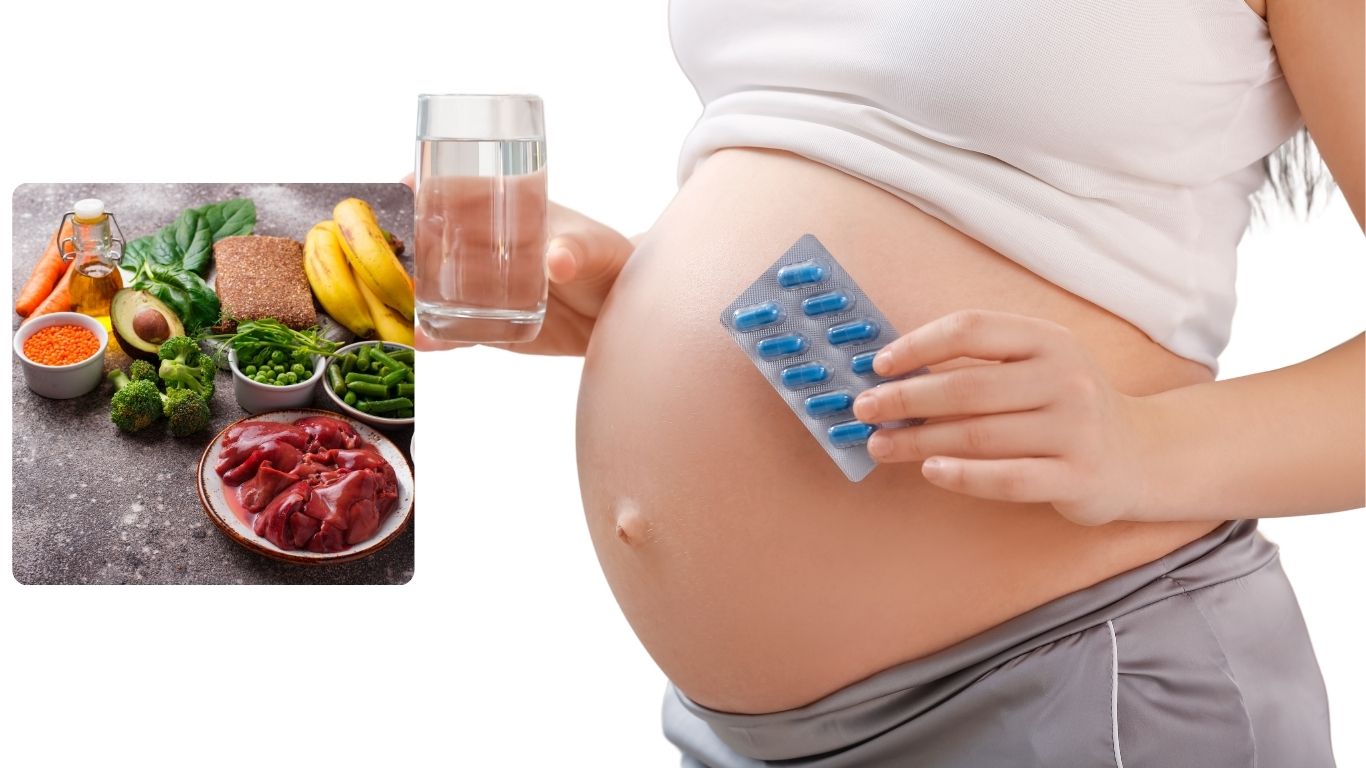
Taking care of your or your loved ones’ health is very important during pregnancy, especially in Nepal, where many women may not get all the necessary nutrients. Folic acid is one of the most important nutrients for pregnant women. This nutrient plays a big role in ensuring healthy and strong baby growth. Today, we will discuss folic acid supplements, their benefits, natural sources, and how to include them in your diet to support a healthy pregnancy.
What is Folic Acid?
Folic acid is a type of vitamin B9 that is a part of the B-complex family. It helps our body to make new cells, including red blood cells. This is one of the reasons why folic acid is important for everyone, especially for pregnant women or those planning to become pregnant. It is found in some foods and as supplements like folic acid tablets or pills. It is called folate when it comes from natural foods. Folic acid is the man-made version found in supplements and fortified foods.
Why is Folic Acid Important During Pregnancy?
During pregnancy, a woman’s body goes through many changes. The baby also grows rapidly. Folic acid benefits both the mother and the baby in different ways, helping to prevent serious problems like birth defects in the baby’s brain and spine.
Health Benefits of Folic Acid for Pregnant Women in Nepal
Reduces the Risk of Birth Defects
Folic acid helps prevent neural tube defects (NTDs) like spina bifida and anencephaly. These serious conditions affect the baby’s brain and spine. Taking folic acid supplements before and during pregnancy can reduce the risk of these problems significantly. In Nepal, taking folic acid pills is an easy and effective solution where there is no access to enough nutritious food.
Prevents Maternal Anemia
Many women in Nepal suffer from anemia due to a lack of red blood cells. This can make you feel tired and weak. Folic acid helps your body to produce red blood cells, which prevents anemia. Folic acid and iron tablets are recommended together during pregnancy to ensure both the mother and baby stay healthy.
Supports Healthy Fetal Growth
Folic acid helps make and repair DNA, which is very crucial for the baby’s growth. It helps the baby’s brain, spine, and nervous system develop properly. The baby might not grow or develop as it should without folic acid.
Improves Placental Health
The placenta is what connects the baby to the mother. It helps in providing essential nutrients and oxygen to the baby. Folic acid supports the healthy development of the placenta and reduces the risk of complications during pregnancy.
Lower the Risk of Pregnancy Complications
Folic acid can help reduce the chances of miscarriage, preterm birth, and other pregnancy-related problems. It is a simple but powerful way to ensure a smooth pregnancy.
How Much Folic Acid Do Pregnant Women Need?
Doctors recommend that pregnant women should take 400 to 800 micrograms (mcg) of folic acid every day. If you are thinking of getting pregnant, a good idea is to take folic acid supplements at least one month before. Consulting your doctor can also guide you to the right dosage.
Sources of Folic Acid for Pregnant Women in Nepal
Natural Sources
You can find folate in many foods that are very common in Nepal. These include:
Lentils (Dal): A great source that is already a staple in Nepali households.
Green Leafy Vegetables: Spinach (palungo) mustard greens (rayo ko saag)
Citrus Fruits: Oranges, lemons, and grapefruit
Beans and Peas: Chickpeas and kidney beans (rajma)
Eggs: A simple and nutritious addition to your meals.
Eating a variety of these folic acid-rich foods every day can help you get the nutrients you need naturally.
Folic Acid Supplements
Eating healthy is important, but sometimes it is hard to get enough folate from food alone. That’s where folic acid supplements come in. Folic acid tablets are an easy and affordable
Mostly in rural areas, many women in Nepal face challenges in getting enough folic acid due to a lack of awareness, limited access, and dietary habits.
Steps to Improve Folic Acid Awareness in Nepal
To help more women benefit from folic acid, we can do the following steps:
Education: By providing Education about the importance of folic acid during prenatal visits.
Community Programs: Run awareness campaigns, especially in rural areas.
Government Support: Provide free or affordable folic acid and iron tablets in health centers.
Conclusion
In conclusion, folic acid is a simple nutrient with big benefits for pregnant women and their babies. It helps prevent birth defects, supports healthy growth, and reduces pregnancy complications. In Nepal, taking folic acid supplements, eating folate-rich foods, and raising awareness can make a big difference. Take care of yourself or your partner and give your baby a healthy and best life.
Iron supplements are very important for maintaining good health. Especially for individuals who are not getting enough iron from their regular diet. If we talk about Nepal, then dietary habits and nutrition levels vary widely. Similarly, understanding the importance of iron supplements can help people make informed choices about their health.
Why Are Iron Supplements Important?
Iron plays an important role in the body by producing hemoglobin. Protein in red blood cells that carries oxygen. Lack of iron can lead to iron deficiency anemia, causing fatigue, weakness, and also other health problems. The iron supplement provides a convenient solution to maintain healthy iron levels.
Benefits of Iron Supplements
There are several benefits of taking the iron supplement including:
Improved Energy Levels: It helps to combat fatigue by boosting oxygen delivery throughout the body.
Better Immunity: Adequate iron levels support the immune system, helping the body fight infections.
Enhanced Cognitive Function: Iron is crucial for brain health, improving focus and memory.
Reduced Hair Loss: One of the lesser-known benefits is their role in preventing hair thinning and hair loss.
Foods That Pair Well with Iron Supplements
Combining the iron supplement with iron-rich foods is very beneficial and amplifies their effects. Some iron-rich food sources are:
Meat and Poultry: Chicken, beef, and liver are excellent sources of iron, which is easily absorbed by the body.
Leafy Greens: Spinach, kale, and broccoli are also rich in iron.
Legumes: Lentils, beans, and chickpeas are great options for vegetarians.
Nuts and Seeds: Almonds, sunflower seeds, and pumpkin seeds provide a healthy iron boost.
Pro Tip: Pair iron-rich foods with vitamin C sources like citrus fruits or tomatoes to enhance iron absorption.
Iron Supplements During Pregnancy
The body’s demand for iron increases during pregnancy. Pregnant women need more iron to support their growing baby and also to get prepared for blood loss during delivery. During pregnancy, iron supplements are often recommended by doctors to prevent anemia and support fetal development.
Why Pregnant Women Need Iron Supplements
To prevent complications like preterm delivery or low birth weight.
For reducing the risk of anemia, which can cause fatigue and weakness.
To ensure proper oxygen delivery to the baby.
Tips for Taking Iron Supplements During Pregnancy
Take supplements with a glass of orange juice to boost absorption.
Avoid consuming them with coffee or tea, as these beverages can interfere with iron absorption.
Stick to the dosage recommended by your doctor to avoid side effects like constipation or nausea.
Iron Supplements and Hair Loss
Hair loss is one of the most distressing problems for many people. Iron deficiency is one of the common reasons for hair loss. Likewise, the iron supplement for hair loss works by restoring iron levels in the body improving hair growth and reducing shedding.
How Iron Supports Hair Health
Iron boosts oxygen delivery to hair follicles, stimulating growth.
It strengthens hair strands, making them less prone to breakage.
Note: Always consult a healthcare provider before starting iron supplements for hair loss to ensure that iron deficiency is the root cause.
Recommended Dosage of Iron Supplements
Consuming the right dosage of the iron supplement is very important. Right dosage benefits without experiencing side effects. Here is a generally used dosage:
Men: 8 mg per day
Women (19-50 years): 18 mg per day
Pregnant Women: 27 mg per day
Children (4-8 years): 10 mg per day
Tips for Safe Consumption
Always follow your doctor’s advice for the correct dosage.
Start with a low dose and gradually increase if needed to minimize side effects.
Consume on an empty stomach for better absorption, but if they upset your stomach, have them with a small meal.
Choosing the Right Iron Supplement in Nepal
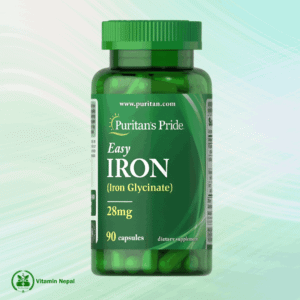
There are a variety of iron supplements in the Nepali market including tablets, capsules, and liquid forms. You can buy Iron supplements at our store at the best price in Nepal. While selecting a supplement, consider these points:
Type of Iron: Look for ferrous sulfate, ferrous gluconate, or ferrous fumarate as they are commonly recommended.
Trusted Brands: Opt for well-known brands with good reviews.
Doctor’s Recommendation: Always consult a healthcare professional to choose the best option for your needs.
Iron is generally safe but some people may experience side effects like:
Constipation: Stay hydrated and also include fiber-rich foods in your diet.
Nausea: Take with food if it causes an upset stomach.
Dark Stools: This is a common and also harmless side effect.
Additionally, consult with your doctor about adjusting the dosage or switching to a different type of iron supplement if side effects persist.
Frequently Asked Questions (FAQs):
What are the benefits of taking iron supplements?
Iron supplements help boost your red blood cells, improving energy and preventing anemia.
Which are the best iron supplements available in Nepal?
Some popular iron supplements in Nepal are Ferrous Sulfate, Ferrochel, and Neutrophil Iron.
Can I take iron supplements during pregnancy?
Yes, it is safe during pregnancy and can also help prevent iron deficiency.
What is the recommended dosage of iron supplements for adults?
The recommended dosage for adults is usually 18mg per day, but it can vary from person to person based on needs.
Do iron supplements help reduce hair loss?
Yes, iron supplements can help reduce hair loss if it is caused by iron deficiency.
Conclusion
In conclusion, iron supplements are a simple but effective way to address iron deficiency and improve overall health. If you are looking to boost your energy, support healthy pregnancy, or tackle hair loss then choosing the right iron supplement can make the difference.
In Nepal, where dietary habits may fall short of meeting nutritional needs, iron supplements can serve as a reliable option. Combining them with a balanced diet and following the recommended dosage you can maintain optimal iron levels and enjoy better health.
So, if you are considering an iron supplement then this is the right time to take action. Also, consult a doctor and select a high-quality supplement. Experience the benefits of improved energy, better immunity, and overall well-being.
If you are in the search for a natural supplement to support your liver health then you have come to the right place. Silymarin tablet supplement might be the supplement that you need. Silymarin is an extract from the milk thistle plant and contains powerful antioxidants. People have used it for centuries in traditional medicine. If we talk in the context of Nepal then many people nowadays are becoming aware of the importance of liver health. That is why the silymarin tablet supplement is gaining popularity in Nepal.
In this blog, we will explore the benefits of silymarin, its uses, dosage, possible side effects, and more.
What is Silymarin?
Silymarin is a powerful antioxidant that is found in the seeds of milk thistle plants. Additionally, its liver-protecting properties are widely known, and the supplement form is commonly used to improve liver function. People across the world including Nepal are using silymarin tablet supplements for better overall health.
Silymarin Benefits: Why You Should Consider It
There are several silymarin benefits. That is why it has become such a popular supplement. Here are some of the key benefits of taking silymarin tablets.
1. Supports Liver Health
Silymarin is commonly known for its liver health benefits. It helps to protect our liver from toxins and promotes its ability to regenerate healthy cells. It is very beneficial for people who have been exposed to alcohol, drugs as well as environmental pollution.
2. Rich in Antioxidants
As we discussed earlier silymarin has powerful antioxidant properties. These antioxidants help combat free radicals, which can damage your cells and lead to chronic diseases. Silymarin promotes better health and well-being by neutralizing these free radicals.
Silymarin has powerful antioxidant properties. These antioxidants help combat free radicals, which can damage your cells and lead to chronic diseases. By neutralizing these free radicals, silymarin promotes better health and well-being.
3. Supports Detoxification
As we know the liver is the human body’s natural detoxifier, and silymarin helps to boost its performance more effectively. Regular use of silymarin tablets can assist in flushing out harmful toxins ensuring that the body stays clean and healthy.
4. Helps Reduce Inflammation
Inflammation is often the root cause of many health problems. Silymarin is also known for its anti-inflammatory effects, which can help to reduce inflammation in the liver and other parts of the body.
5. May Improve Skin Health
Some studies have found that silymarin can help improve skin health. Its antioxidant properties may reduce the appearance of wrinkles and protect the skin from damage that is caused by free radicals.
Silymarin Uses: How Can You Benefit from It?
You may be wondering how silymarin can be used beyond liver health. Here are some of the most common uses:
For Liver Protection: As mentioned, the main use of silymarin is to protect the liver. It can be beneficial for people with fatty liver, hepatitis, or cirrhosis.
As an Antioxidant Supplement: People often take silymarin to support their immune system and fight oxidative stress.
To Support Digestive Health: Studies show that silymarin supports bile production, which aids in digestion and provides digestive benefits.
For Skin Health: It is a natural way to improve your skin. It may help by reducing inflammation and promoting cell generation.
When taking any supplements including silymarin tablets, it is important to follow the recommended dosage for optimal results. The typical silymarin dosage for adults is around 140-420 mg per day. People often divide it into two or three dosages throughout the day.
However, the exact dosage may vary from person to person depending on their health needs. It is always a better idea to consult with a healthcare provider before starting any supplement.
Silymarin Side Effects: What to Watch Out For
Silymarin is generally safe but it can cause mild side effects in some people. Side effects may include:
Digestive Issues: Some people may experience mild digestive discomfort, including bloating, diarrhea, or nausea.
Headaches: A few individuals have reported headaches after taking silymarin tablets.
Allergic Reactions: In rare cases, people may have allergic reactions to silymarin, such as itching or rashes.
It is very important to monitor how your body reacts and adjust the dosage. You should avoid silymarin if you have a known allergy to ragweed, daisies, or other plants in the Asteraceae family because it may cause an allergic reaction.
Silymarin for Liver
If you are specifically interested in silymarin for liver health then you will be pleased to know that this supplement has been shown to support liver function in different ways. Regular use of silymarin tablet supplements can:
Protect liver cells from damage due to alcohol, medications, or toxins.
Help manage liver diseases like fatty liver disease and hepatitis.
Support the regeneration of liver cells, promoting overall liver health.
Additionally, silymarin is a natural and effective way to keep your liver healthy. Especially if you are concerned about liver damage or want to improve liver function.
Frequently Asked Questions (FAQs):
Can silymarin tablets help with fatty liver disease?
Yes, silymarin tablets are commonly used to help manage fatty liver disease. It supports liver function and may help reduce the buildup of fat in the liver.
How long does it take for silymarin to work?
The effects of silymarin may vary depending on the individual and the condition being treated. For liver health, you may start seeing improvements after a few weeks of consistent use.
Can I take silymarin with other medications?
It is always best to consult with a healthcare professional before combining silymarin tablets with other medications to ensure there are no interactions.
Are there any age restrictions for taking silymarin?
Adults generally find silymarin safe, but doctors do not recommend it for children without prior consultation. Always consult with a healthcare provider before starting a supplement.
Is silymarin available in Nepal?
Yes, silymarin tablets are available in pharmacies and online stores in Nepal including Vitamin Nepal. It is always important to buy from trusted sources to ensure quality.
Conclusion
In conclusion, incorporating silymarin tablets into your daily routine can have a positive impact on your liver health, digestion, and overall health. So, this natural supplement is a great option if you are looking for silymarin benefits for liver detox, or simply want to improve antioxidant intake.
Additionally, always remember to follow the proper silymarin dosage and consult a healthcare provider if you have any concerns. For those in Nepal, it is easier than ever to access silymarin supplements online atVitamin Nepal or your local pharmacy.
Stay healthy, and take care of your liver with the power of silymarin tablets!